
Couch Cushion Replacement: Why Foam Density Matters More Than Buying A New Sofa
A sofa can look worn out before it is truly at the end of its life. Sagging seats, flattened cushions, and uneven support often make homeowners think they need a new couch, or reupholstery when the real problem may be hidden inside the cushion. Couch cushion replacement can restore comfort, posture, and appearance if the frame, springs, and upholstery are still usable. The key is choosing the right foam density and firmness before replacing the entire sofa.
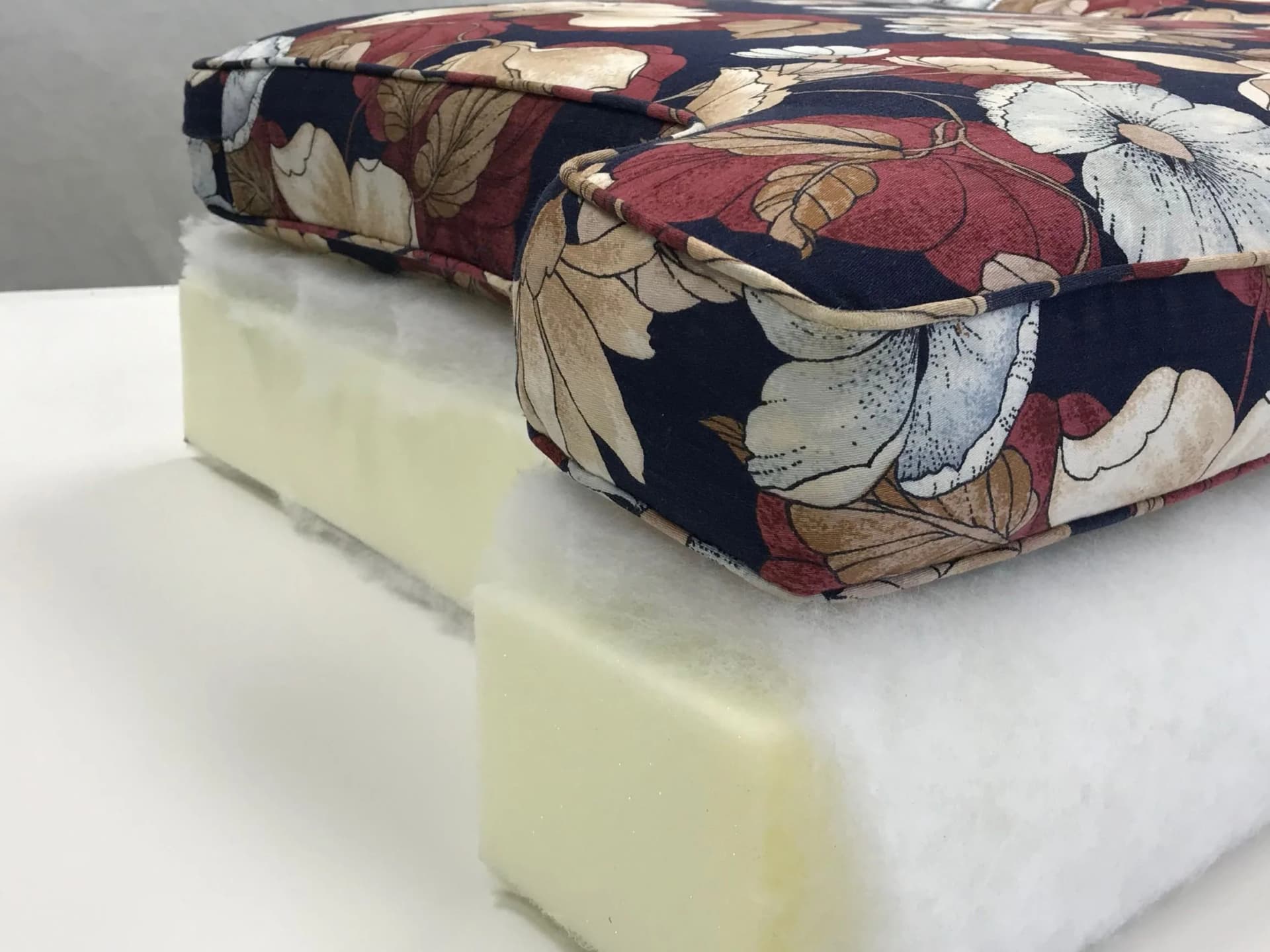
The Hidden Engineering Inside Sofa Cushions
A cushion is not just a soft block of foam. It is part of the support system that distributes body weight, controls seat height, and protects the sofa frame from stress.
Foam density measures how much material is packed into the cushion. High-density foam usually holds its shape longer, while low-density foam may feel comfortable at first but compress faster with daily use.
Firmness and density are not the same thing. A cushion can be soft yet durable, or firm but low quality. Proper furniture upholstery repair considers both the feel of the seat and the internal material supporting it.
Couch Cushion Replacement: When It Solves the Problem
Couch cushion replacement is most effective when the fabric or leather cover is still serviceable and the frame is stable. If the seat dips only where people sit most often, the foam may have lost resilience while the rest of the sofa remains sound.
Replacement foam can improve seat height, reduce wrinkles in loose covers, and make a sofa or sectional feel balanced again. It is also useful when one cushion has failed faster than the others.
However, new foam will not fix every comfort issue. If springs are broken, webbing is stretched, or the wood structure is loose, sofa frame repair may be needed first.
Many homeowners search for furniture repair near me after noticing that their couch feels soft, sloped, or uncomfortable. A professional inspection separates cushion failure from deeper structural problems.
Repair, Rebuild, or Replace: Comparing the Options
The right solution depends on where the failure is happening. A good repair plan looks at foam, covers, seams, decking, springs, frame joints, and use.
Option | Best For | Limitation |
Cushion foam replacement | Flattened seats with a solid frame | Does not correct broken springs |
Cushion restuffing | Back cushions or minor compression | May not support heavy daily seating |
Sofa frame repair | Loose joints or collapsed support | May still require new cushions |
Buying a new sofa | Weak frame or heavy upholstery damage | New sofas may use lower-grade foam |
For many pieces, home furniture restoration is more practical than replacement. A well-built sofa with tired cushions can often be improved with better materials than the original foam.
What Professional Cushion Work Usually Includes
Professional furniture restoration services start with measuring the cushions, checking cover condition, and identifying how the sofa is constructed. The technician evaluates foam thickness, density, firmness, seams, zippers, batting, and the support platform below the cushions.
Depending on the sofa, the process may include removing old foam, cutting new high-density foam, adding polyester fiber wrap, shaping the crown, and refitting the cushion cover. Back cushions may need blown fiber, foam inserts, or compartment rebuilding to prevent lumping.
Furniture upholstery repair can also address split seams, loose decking, torn dust covers, worn fabric panels, or damaged leather and vinyl. If cushions are attached, sewn-in, or unusually shaped, the work may require more precise patterning.
The goal is not simply to make the sofa feel harder. The goal is to restore balanced support, comfortable seating depth, and a clean cushion profile that fits the sofa’s design.
Couch cushion replacement is worth considering when the frame is sturdy, the style still fits your home, and the main issue is sagging or compressed foam. Buying new may be smarter when the frame is weak, springs are failing throughout, or the upholstery is badly damaged. Before discarding a sofa, homeowners in Austin can contact Leather Repair Gallery at +1 (737) 288-5195 for a practical evaluation and furniture restoration services based on the sofa’s construction.