
Vachetta Leather Care And Restoration: What Designer Bag Owners Should Know
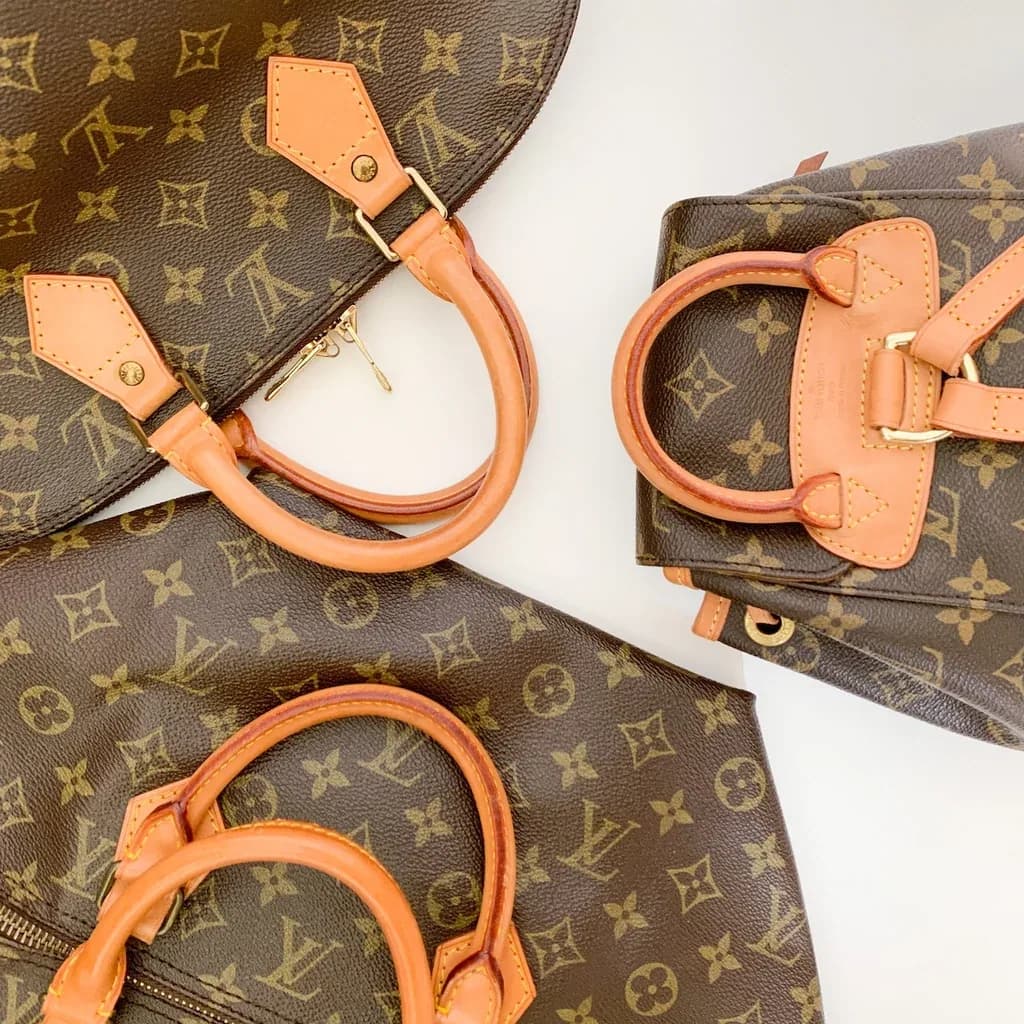
Vachetta leather is one of the most recognizable materials used on luxury handbags, especially on Louis Vuitton bags with natural leather handles, trims, tabs, and straps. It is valued for its pale tone, smooth feel, and the warm patina it develops over time. Louis Vuitton describes vachetta as untreated, vegetable-tanned leather that remains in a natural state, with visible markings and a light color that gradually darkens into amber with use.
That same natural beauty also makes vachetta one of the most sensitive leathers to own. It reacts quickly to hand oils, moisture, sunlight, lotions, perfumes, sanitizers, and uneven handling. For many bag owners, the first visible concerns are dark handles, water spots, uneven patina, stained tabs, or cracking around high-touch areas — issues that often require professional leather handbag repair rather than aggressive at-home cleaning.
What Is Vachetta Leather?
Vachetta leather is typically a natural vegetable-tanned cowhide with minimal surface treatment. Unlike heavily pigmented or coated leather, it is not designed to stay the same color forever. It begins light and gradually darkens as it absorbs oils, air exposure, UV light, and daily contact.
This aging process is called patina. A balanced patina can give a designer bag depth, warmth, and character. However, uneven patina can make the bag look dirty, stained, or poorly maintained. The difference often comes down to exposure: clean hands and even use may create a soft honey tone, while water, oil, cosmetics, or sanitizer can create harsh dark marks.
Why Vachetta Leather Stains So Easily
Vachetta is sensitive because the surface is open and absorbent. When skin oils or lotion transfer onto the handles, they can penetrate below the surface rather than sitting on top. Water can leave rings because it changes the leather’s moisture balance unevenly. Alcohol-based products, including hand sanitizers, may dry or discolor the leather.
Louis Vuitton’s care guidance for natural leather specifically advises keeping leather dry, blotting water immediately with a lint-free light-colored cloth, and avoiding chemicals such as hand sanitizers, oils, mink oil, saddle soap, and leather treatments because they can damage the leather. Louis Vuitton
This is why vachetta stains are rarely simple surface dirt. A dark handle may contain years of body oil. A water spot may have changed the leather tone below the grain. A cleaning product may have removed natural oils in one area while darkening another.
Common Vachetta Problems on Designer Bags
The most common vachetta issues appear on handles, straps, piping, luggage tags, zipper pulls, side tabs, and bottom trim. These areas receive the most contact and friction.
Dark handles are usually caused by hand oils, sweat, lotion, and repeated gripping. Water spots may appear after rain, spills, or cleaning attempts. Corner and piping wear can expose rough fibers where the leather has been rubbed against surfaces. Cracks can appear when the leather becomes dry, fatigued, or overloaded.
Aged vachetta may also become uneven in tone. One side of the bag may darken faster due to sunlight, while the handle may become much darker than the trim. This uneven contrast is often what makes owners consider professional leather handbag repair.
Why DIY Vachetta Cleaning Can Make Damage Worse
Many owners search for how to clean vachetta leather and try wipes, saddle soap, alcohol, conditioner, baking soda, magic erasers, leather balm, or oil-based products. These methods can create permanent problems.
Aggressive cleaning can remove surface oils unevenly, create pale patches, roughen the grain, or expand a stain. Conditioner can darken untreated leather and make oil contamination worse. Alcohol can dry the leather and change the tone. Scrubbing can damage the grain and leave the leather fuzzy or flat.
Louis Vuitton notes that if natural leather becomes stained before patina develops, owners should not try to clean it and should allow the leather to darken naturally so the stain becomes less apparent.
What Is Vachetta Leather?
Vachetta leather is typically a natural vegetable-tanned cowhide with minimal surface treatment. Unlike heavily pigmented or coated leather, it is not designed to stay the same color forever. It begins light and gradually darkens as it absorbs oils, air exposure, UV light, and daily contact. For owners comparing what leather luxury handbag brands use, vachetta is one of the clearest examples of a material chosen for character rather than maximum stain resistance.
This aging process is called patina. A balanced patina can give a designer bag depth, warmth, and character. However, uneven patina can make the bag look dirty, stained, or poorly maintained. The difference often comes down to exposure: clean hands and even use may create a soft honey tone, while water, oil, cosmetics, or sanitizer can create harsh dark marks.
Why Vachetta Leather Stains So Easily
Vachetta is sensitive because the surface is open and absorbent. When skin oils or lotion transfer onto the handles, they can penetrate below the surface rather than sitting on top. Water can leave rings because it changes the leather’s moisture balance unevenly. Alcohol-based products, including hand sanitizers, may dry or discolor the leather.
Louis Vuitton’s care guidance for natural leather specifically advises keeping leather dry, blotting water immediately with a lint-free light-colored cloth, and avoiding chemicals such as hand sanitizers, oils, mink oil, saddle soap, and leather treatments because they can damage the leather. This is why vachetta stains are rarely simple surface dirt.
A dark handle may contain years of body oil. A water spot may have changed the leather tone below the grain. A cleaning product may have removed natural oils in one area while darkening another. This is also why understanding the types of leather used in handbags matters before attempting any cleaning or repair.
Common Vachetta Problems on Designer Bags
The most common vachetta issues appear on handles, straps, piping, luggage tags, zipper pulls, side tabs, and bottom trim. These areas receive the most contact and friction.
Dark handles are usually caused by hand oils, sweat, lotion, and repeated gripping. Water spots may appear after rain, spills, or cleaning attempts. Corner and piping wear can expose rough fibers where the leather has been rubbed against surfaces. Cracks can appear when the leather becomes dry, fatigued, or overloaded. The way damage appears can also depend on the bag construction, since different types of handbags place stress on handles, straps, corners, and trim in different ways.
Aged vachetta may also become uneven in tone. One side of the bag may darken faster due to sunlight, while the handle may become much darker than the trim. This uneven contrast is often what makes owners consider professional leather handbag repair.
Why DIY Vachetta Cleaning Can Make Damage Worse
Many owners search for how to clean vachetta leather and try wipes, saddle soap, alcohol, conditioner, baking soda, magic erasers, leather balm, or oil-based products. These methods can create permanent problems.
Aggressive cleaning can remove surface oils unevenly, create pale patches, roughen the grain, or expand a stain. Conditioner can darken untreated leather and make oil contamination worse. Alcohol can dry the leather and change the tone. Scrubbing can damage the grain and leave the leather fuzzy or flat.
Louis Vuitton notes that if natural leather becomes stained before patina develops, owners should not try to clean it and should allow the leather to darken naturally so the stain becomes less apparent. This is an important warning because early vachetta damage is often made worse by over-treatment. It is one reason luxury handbag repair requires a specialist, especially when the leather is untreated, absorbent, or already uneven in tone.
Professional Vachetta Leather Restoration
Professional vachetta restoration begins with assessment. A specialist evaluates the leather age, patina level, stain depth, dryness, cracking, stitching condition, and whether the leather can be improved safely.
For light soil, controlled cleaning may reduce surface residue without stripping the leather. For oily handles, oil extraction may be needed before color balancing. For dry or cracked areas, the leather may require stabilization rather than ordinary conditioning. If piping or tabs are too damaged, replacement may be safer than cosmetic repair. When the main issue is grip-area wear, the process may overlap with professional methods used to repair leather handbag handles.
Color matching is especially delicate with vachetta. The goal is usually not to make old leather look new, because brand-new pale vachetta beside aged canvas can look unnatural. A professional restoration should respect the bag’s age and create a balanced appearance across handles, trim, and straps.
Restore or Replace Vachetta?
Not all vachetta should be restored. If the leather is deeply cracked, torn, stretched, or structurally weak, replacement may be the better option. This is common with heavily worn handles, broken straps, damaged piping, or tabs that carry stress.
Restoration is usually best when the leather is stained, darkened, uneven, dry, or lightly worn but still structurally sound. Replacement is better when the leather no longer has enough strength to perform its function.
For designer bag restoration, this decision matters. Over-painting natural leather can reduce the authentic look of the bag. Replacing only one part may create a mismatch if the new leather is much lighter than the surrounding aged trim. A skilled restorer must consider appearance, function, authenticity, and long-term wear. For broader examples of finish loss, surface wear, and professional correction, see this designer handbag restoration guide.
| Vachetta Issue | Professional Method | DIY Risk |
|---|---|---|
| Dark Handles | Controlled cleaning and oil extraction | Conditioner may darken leather further |
| Water Spots | Gradual tone correction | Scrubbing can expand the stain |
| Uneven Patina | Color balancing where appropriate | Paint can look artificial |
| Dryness or Cracking | Leather stabilization or replacement | Oils may weaken fibers |
| Worn Piping | Repair or matched replacement | Glue can harden edges |
| Stained Tabs | Cleaning, tone correction, or replacement | Harsh cleaners may strip grain |
How to Protect Vachetta Leather
Prevention is the safest form of care. Avoid touching vachetta immediately after applying lotion, sunscreen, perfume, or hand sanitizer. Keep the bag away from rain and do not store it in humid areas. Use clean, dry hands when carrying light vachetta handles.
Store the bag in a breathable dust bag, away from direct sunlight and heat. Do not wrap handles in plastic, because trapped moisture can affect the leather. Avoid denim transfer, makeup spills, and placing the bag on wet surfaces.
If the leather gets wet, blot gently with a clean, light-colored, lint-free cloth. Do not rub, heat-dry, or apply conditioner immediately.
Nationwide Mail-In Vachetta Leather Repair
Many local repair shops understand leather, but vachetta requires more specialized judgment. A general repair shop may over-clean, over-condition, paint the leather too heavily, or replace parts without considering patina balance.
A nationwide mail-in service allows designer bag owners to send photos first, receive an assessment, and ship the bag for professional inspection when needed. This is especially useful for Louis Vuitton bags, vintage designer pieces, and handbags with natural leather trim that requires careful matching.
Professional purse repair services can help with dark handles, stained vachetta, worn tabs, cracked straps, damaged piping, and complete leather bag refurbishment when local options are limited. If the main problem appears at the lower corners or piping, professional techniques may be similar to those used to repair scuffed leather handbag corners.
Conclusion
Vachetta leather is beautiful because it changes, but that same natural character makes it vulnerable to stains, water marks, oil absorption, and uneven patina. DIY cleaning often makes the damage worse because untreated vegetable-tanned leather reacts quickly to moisture, chemicals, and oils. Professional leather handbag repair focuses on diagnosis first: whether the leather can be cleaned, stabilized, color-balanced, restored, or replaced. For valuable designer bags, especially Louis Vuitton pieces with natural leather trim, careful vachetta restoration is the safest way to preserve beauty, structure, and long-term value. This is an important warning because early vachetta damage is often made worse by over-treatment.
Professional Vachetta Leather Restoration
Professional vachetta restoration begins with assessment. A specialist evaluates the leather age, patina level, stain depth, dryness, cracking, stitching condition, and whether the leather can be improved safely.
For light soil, controlled cleaning may reduce surface residue without stripping the leather. For oily handles, oil extraction may be needed before color balancing. For dry or cracked areas, the leather may require stabilization rather than ordinary conditioning. If piping or tabs are too damaged, replacement may be safer than cosmetic repair.
Color matching is especially delicate with vachetta. The goal is usually not to make old leather look new, because brand-new pale vachetta beside aged canvas can look unnatural. A professional restoration should respect the bag’s age and create a balanced appearance across handles, trim, and straps.
Restore or Replace Vachetta?
Not all vachetta should be restored. If the leather is deeply cracked, torn, stretched, or structurally weak, replacement may be the better option. This is common with heavily worn handles, broken straps, damaged piping, or tabs that carry stress.
Restoration is usually best when the leather is stained, darkened, uneven, dry, or lightly worn but still structurally sound. Replacement is better when the leather no longer has enough strength to perform its function.
For designer bag restoration, this decision matters. Over-painting natural leather can reduce the authentic look of the bag. Replacing only one part may create a mismatch if the new leather is much lighter than the surrounding aged trim. A skilled restorer must consider appearance, function, authenticity, and long-term wear.
| Vachetta Issue | Professional Method | DIY Risk |
|---|---|---|
| Dark Handles | Controlled cleaning and oil extraction | Conditioner may darken leather further |
| Water Spots | Gradual tone correction | Scrubbing can expand the stain |
| Uneven Patina | Color balancing where appropriate | Paint can look artificial |
| Dryness or Cracking | Leather stabilization or replacement | Oils may weaken fibers |
| Worn Piping | Repair or matched replacement | Glue can harden edges |
| Stained Tabs | Cleaning, tone correction, or replacement | Harsh cleaners may strip grain |
How to Protect Vachetta Leather
Prevention is the safest form of care. Avoid touching vachetta immediately after applying lotion, sunscreen, perfume, or hand sanitizer. Keep the bag away from rain and do not store it in humid areas. Use clean, dry hands when carrying light vachetta handles.
Store the bag in a breathable dust bag, away from direct sunlight and heat. Do not wrap handles in plastic, because trapped moisture can affect the leather. Avoid denim transfer, makeup spills, and placing the bag on wet surfaces.
If the leather gets wet, blot gently with a clean, light-colored, lint-free cloth. Do not rub, heat-dry, or apply conditioner immediately.
Nationwide Mail-In Vachetta Leather Repair
Many local repair shops understand leather, but vachetta requires more specialized judgment. A general repair shop may over-clean, over-condition, paint the leather too heavily, or replace parts without considering patina balance.
A nationwide mail-in service allows designer bag owners to send photos first, receive an assessment, and ship the bag for professional inspection when needed. This is especially useful for Louis Vuitton bags, vintage designer pieces, and handbags with natural leather trim that requires careful matching.
Professional purse repair services can help with dark handles, stained vachetta, worn tabs, cracked straps, damaged piping, and complete leather bag refurbishment when local options are limited.
Conclusion
Vachetta leather is beautiful because it changes, but that same natural character makes it vulnerable to stains, water marks, oil absorption, and uneven patina. DIY cleaning often makes the damage worse because untreated vegetable-tanned leather reacts quickly to moisture, chemicals, and oils. Professional leather handbag repair focuses on diagnosis first: whether the leather can be cleaned, stabilized, color-balanced, restored, or replaced. For valuable designer bags, especially Louis Vuitton pieces with natural leather trim, careful vachetta restoration is the safest way to preserve beauty, structure, and long-term value.