
What Leather Do Luxury Handbag Brands Use?
Luxury handbags are often described simply as “leather bags,” but the reality is more complex. Leading fashion houses use calfskin, lambskin, goatskin, exotic hides, coated canvas, textiles, recycled nylon, and newer plant-based materials. Even one handbag may combine several materials: leather for the exterior, goatskin or fabric for the lining, suede for internal pockets, and coated material around structural components.
Understanding luxury handbag leather types is useful when choosing a bag, evaluating durability, planning maintenance, or deciding whether a damaged item can be restored. It also helps buyers distinguish genuine leather from coated canvas and understand brand-specific names such as Togo, Epsom, Saffiano, Epi, and caviar leather.
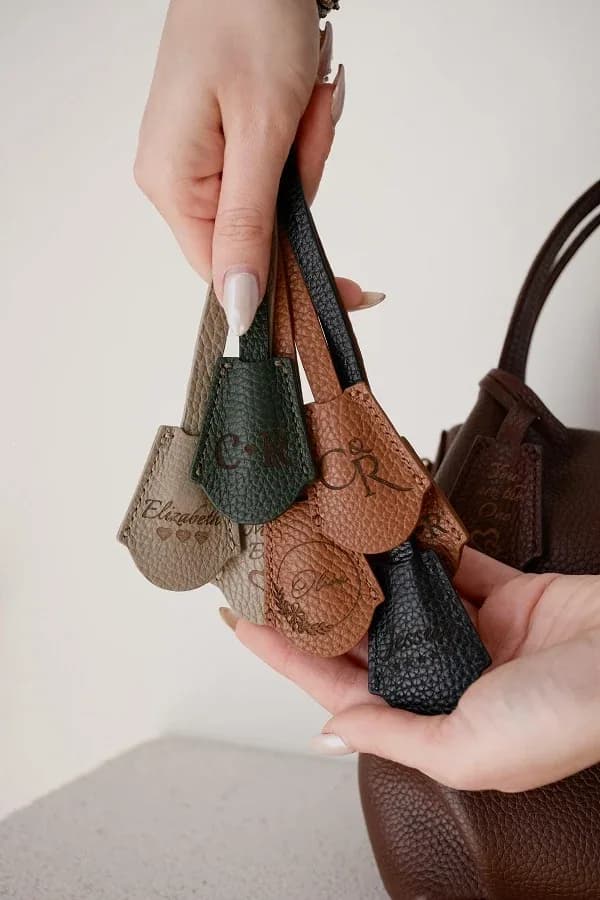
The Main Materials Used in Luxury Handbags
Calfskin and Cowhide
Calfskin is one of the most widely used materials in luxury handbag production. It provides a balance of softness, strength, and shape retention. Depending on the tanning and finishing process, calfskin may be smooth, pebbled, embossed, patent-coated, or waxed.
Adult cowhide is generally thicker and more resistant to abrasion. It is often used for structured bags, handles, bases, straps, and areas exposed to frequent contact.
Lambskin
Lambskin is valued for its exceptionally soft, smooth surface. Chanel, Dior, Bottega Veneta, and several other luxury brands use it for handbags requiring a rich, supple finish.
Its disadvantage is sensitivity. Lambskin can show scratches, pressure marks, corner wear, and color loss more quickly than grained calfskin. Dark lambskin is usually easier to maintain than very light or highly saturated colors.
Goatskin
Goatskin is lightweight, flexible, and naturally resistant to wear. It often has a fine visible grain and can maintain its structure without feeling heavy. Hermès, Dior, and other premium houses use goatskin for both bag exteriors and linings.
Exotic Skins
Selected luxury brands produce limited handbags in alligator, crocodile, ostrich, lizard, and python. These materials require specialized sourcing, documentation, care, and restoration methods.
Hermès remains one of the best-known users of exotic skins. Other houses, including Louis Vuitton, Dior, Fendi, and Prada, may offer exotic versions in selected markets. Chanel, however, stopped using exotic skins in new production.
Coated Canvas and Coated Fabrics
Coated canvas is not leather. It normally consists of a woven textile base covered with a protective polymer or resin coating. The material is lightweight, water-resistant, and capable of carrying detailed printed patterns.
Louis Vuitton Monogram and Damier bags are among the most familiar examples. Goyardine and Gucci GG Supreme are also coated materials rather than conventional leather.
These bags can still contain genuine leather components, including handles, piping, tabs, straps, and trim.
Leather and Materials Used by Major Luxury Brands
Hermès
Hermès has one of the most extensive leather selections in the luxury market. Popular options include:
Togo: soft, grained calfskin known for flexibility and scratch resistance.
Clémence: a heavier, softer-grained leather with a more relaxed appearance.
Epsom: firm embossed calfskin that holds its shape well.
Swift: smooth calfskin with strong color saturation.
Box Calf: polished leather with a formal appearance that can develop visible scratches.
Barenia: smooth, lightly waxed leather designed to develop a natural patina.
Chèvre: lightweight goatskin with fine grain and good durability.
Ostrich, alligator, and crocodile: exotic materials used for selected products.
Hermès frequently uses different leather for the interior, handles, and exterior body. The exact combination depends on the model and production period.
Louis Vuitton
Not every Louis Vuitton handbag is a leather bag. The classic Monogram and Damier patterns are commonly printed on coated canvas. Natural cowhide known as vachetta is then used for handles, piping, tabs, and other trim.
Vachetta is untreated or minimally treated leather. It starts pale and gradually becomes darker through exposure to light, moisture, oils, and handling. Because this leather stains and develops patina easily, owners often need proper vachetta leather care and restoration to keep the trim balanced and prevent damage from aggressive cleaning.
Louis Vuitton’s leather collections include:
Epi: embossed cowhide with a distinctive horizontal texture.
Monogram Empreinte: embossed, supple cowhide.
Taurillon leather: grained calfskin used in premium structured collections.
Smooth calfskin: found in selected contemporary models.
Exotic skins: used in limited high-end products.
Chanel
Chanel is strongly associated with lambskin and grained calfskin. The material commonly called “caviar leather” is not a separate animal type. It is usually calfskin treated to create a durable pebbled texture.
Common Chanel materials include:
Lambskin for a soft, smooth, luxurious finish.
Grained calfskin or “caviar” for greater resistance to scratches.
Aged calfskin for a deliberately worn or vintage effect.
Patent calfskin with a glossy surface coating.
Tweed, denim, jersey, velvet, and other seasonal textiles.
Leather may also appear in the lining, chain straps, reinforcing panels, and woven chain details.
Dior
Dior uses lambskin, calfskin, goatskin, patent leather, textiles, and exotic skins across its handbag collections.
The Lady Dior is frequently made from lambskin or calfskin and decorated with the Cannage pattern. Cannage describes the geometric quilting design, not a particular type of leather.
The Saddle Bag may be produced in grained calfskin, smooth leather, Oblique jacquard, or other seasonal materials. Book Tote models are mainly textile-based, although leather may be used for trim and detailing.
Goyard
Goyard is best known for Goyardine, a coated material traditionally created using a textile base and a protective surface treatment. It should not be classified as full-leather construction.
Calfskin is generally used for handles, edging, corners, straps, and reinforcing elements. This combination makes many Goyard bags lighter than comparable all-leather designs.
Gucci
Gucci uses calfskin, lambskin, patent leather, suede, canvas, and coated fabric. GG Supreme is a coated fabric commonly paired with leather trim and microfiber lining with a suede-like finish.
The house has also introduced Demetra, a proprietary material containing a high percentage of plant-derived raw materials. It includes bio-based polyurethane and should not be confused with either traditional animal leather or a completely plastic-free material.
Bottega Veneta
Bottega Veneta is famous for Intrecciato, but Intrecciato is a weaving technique rather than a leather type. Thin strips of leather are woven together to create the recognizable surface.
The brand frequently uses lambskin for the exterior because of its flexibility, while calfskin may be used for lining and structural areas. Selected collections have also featured experimental materials such as mycelium-based alternatives.
Prada
Prada’s signature Saffiano is generally calfskin with a crosshatch embossing and protective waxed finish. It is valued for structure, water resistance, and resistance to superficial scratches.
Prada also uses nappa leather, smooth calfskin, suede, exotic skins, canvas, and Re-Nylon. Re-Nylon is regenerated nylon, not leather or eco-leather.
Saint Laurent
Saint Laurent commonly uses smooth calfskin, grained leather, lambskin, suede, patent leather, and crocodile-embossed calfskin. The phrase “crocodile-embossed” means that a crocodile-style pattern has been pressed into ordinary leather; it does not necessarily indicate genuine crocodile skin.
Fendi, Celine, and Loewe
Fendi uses calfskin, lambskin, jacquard, coated canvas, technical fabrics, and limited exotic skins. Structured models often combine leather shells with suede or textile interiors.
Celine frequently works with calfskin, lambskin, suede, Triomphe canvas, and coated canvas. Leather is commonly used for trim even when the main body is textile-based.
Loewe is known for nappa calfskin, grained calfskin, and suede. The Puzzle and Flamenco demonstrate how the finish and construction of calfskin can create very different levels of structure and softness.
Moynat, Delvaux, Valextra, The Row, and Loro Piana
Smaller or more discreet luxury houses often emphasize exceptional calfskin and minimal branding.
Moynat uses full-grain calfskin, taurillon leather, canvas, and goatskin linings. Delvaux is associated with supple taurillon leather and structured calfskin. Valextra uses finely grained calfskin, often finished with hand-painted edges.
The Row frequently combines smooth calfskin exteriors with suede or cotton interiors, while Loro Piana favors soft calfskin, deerskin, suede, and textile-leather combinations.
Stella McCartney
Stella McCartney does not use animal leather, fur, feathers, or exotic skins in its products. Its handbags may feature polyurethane-based alternatives, recycled polyester, Alter Mat, MIRUM, or VEGEA-based materials.
These alternatives are not automatically identical in composition. Some contain synthetic polymers, while MIRUM is marketed as a plastic-free material made with natural inputs. Consumers should check the material description for each specific model.
Do Luxury Brand Names Always Identify the Leather?
Many familiar terms describe a finish, texture, or production method rather than the animal source:
| Luxury term | What it actually means |
|---|---|
| Caviar | A pebbled finish, usually on calfskin |
| Saffiano | Crosshatch embossing with a protective finish |
| Epsom | Hermès embossed calfskin |
| Epi | Louis Vuitton’s textured leather finish |
| Intrecciato | Bottega Veneta’s leather-weaving technique |
| Cannage | Dior’s quilting pattern |
| Croc-embossed | Ordinary leather embossed to resemble crocodile |
| Patent leather | Leather covered with a glossy protective coating |
Product descriptions should be reviewed carefully. Words such as “canvas,” “coated fabric,” “microfiber,” “vegan material,” and “bio-based” do not necessarily describe genuine leather.
Which Luxury Handbag Leather Is Most Durable?
Grained calfskin, cowhide, Saffiano, Epsom, and Epi are generally practical choices for frequent use. Their textured or treated surfaces make minor wear less visible.
Lambskin and smooth nappa leather offer a softer, more luxurious feel but require careful handling. Barenia and natural vachetta are designed to change with age, developing patina rather than remaining visually unchanged.
Suede and nubuck attract dirt and oils more easily. Patent leather may resist water but can develop color transfer, cloudiness, or cracking. Coated canvas is durable, yet it can split near folds and high-stress areas and cannot always be restored using standard leather treatments.
Why Material Identification Matters Before Repair
A luxury bag may contain several surfaces requiring different products and techniques. Conditioner suitable for calfskin may stain vachetta, flatten suede, or damage coated canvas. Patent leather, metallic finishes, exotic skins, and polyurethane alternatives also need specialized treatment.
For this reason, professional luxury handbag repair should begin with identifying the exterior material, lining, edge paint, coating, and original color finish.
A qualified specialist may be able to repair scuffed leather handbag corners through controlled cleaning, surface preparation, color matching, and protective refinishing. Results depend on whether the damage affects only the finish or has already exposed and weakened the leather fibers.
It is also wise to repair leather handles before crack spread turns surface wear into structural damage. Early intervention may preserve the original handle, while advanced cracking can require reinforcement, reconstruction, or replacement.
Many bags with scratched or faded leather can be improved through localized color restoration. However, natural patina should not automatically be treated as damage, particularly on Hermès Barenia or Louis Vuitton vachetta.
For technicians, structured leather repair training helps develop the skills needed to recognize leather types, coatings, pigments, and construction methods. A professional leather repair certification can further demonstrate knowledge of safe restoration procedures and material-specific limitations.
Frequently Asked Questions
Are Louis Vuitton Monogram bags made of leather?
The main body of most classic Monogram bags is coated canvas. Handles, piping, tabs, and trim are commonly made from genuine cowhide leather.
Is Chanel caviar real leather?
Yes. Chanel caviar is generally grained calfskin. The word “caviar” refers to the pebbled surface texture rather than an animal species.
Is Prada Saffiano genuine leather?
Most classic Prada Saffiano bags use genuine calfskin with a crosshatch embossing and protective finish. However, the precise composition should always be checked on the individual product page.
Is vegan leather the same as eco-leather?
Not necessarily. “Vegan leather” means that the material does not contain animal hide, but it may still be made with polyurethane or other synthetic polymers. “Eco-leather” is not a consistently regulated material category and may refer to very different products.
What is the best leather for an everyday luxury handbag?
Grained calfskin, Epsom, Saffiano, Epi, and durable cowhide are among the most practical options. Lambskin and smooth nappa are better suited to users who prioritize softness and appearance over maximum scratch resistance.
Final Thoughts
Luxury handbag materials range from traditional calfskin and lambskin to coated canvas, regenerated nylon, and plant-based alternatives. Hermès offers one of the widest selections of named leathers, Louis Vuitton and Goyard are famous for coated canvas, Chanel is closely associated with lambskin and grained calfskin, and Prada is known for Saffiano.
The brand name alone does not reveal the complete material composition. Before purchasing, cleaning, or restoring a designer bag, examine the description of the exterior, lining, trim, coating, and hardware. Accurate material identification is the foundation of proper care and helps preserve both the appearance and value of a luxury handbag.