
How To Repair Scuffed Leather Handbag Corners Safely
Scuffed corners are one of the most common signs of wear on a designer bag because they absorb repeated contact with surfaces, clothing, car seats, shelving, and daily handling. If you are searching for how to repair scuffed leather handbag corners, the damage may look minor at first: a pale mark, dull patch, rough edge, or small area of missing color. On luxury leather, however, corner wear often involves more than surface discoloration. Abrasion can remove pigment, disturb the leather grain, expose the base material, and weaken the protective finish. Professional restoration focuses on rebuilding the damaged area without creating a heavy, painted look that reduces the value or refinement of the bag.
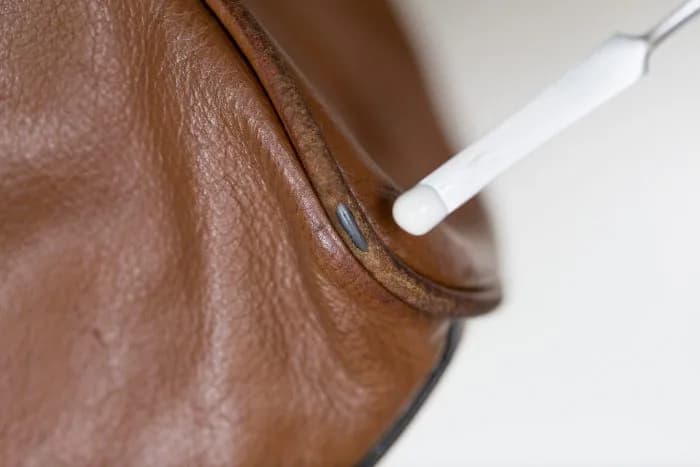
Why Designer Bag Corners Wear Down First
Corners are high-friction zones. Every time any type of leather bag is placed on a table, brushed against clothing, or carried close to the body, the corner panels absorb pressure and movement.
Over time, the original finish can thin out. Pigment loss may appear as lighter spots, darkened edges, rough texture, or exposed leather fibers. Structured bags can also show sharper wear because the leather is stretched tightly over firm corner construction.
This is why handbag leather repair requires more than applying color. The restorer must understand the leather type, finish system, grain pattern, and how the bag was originally constructed.
Why DIY Scuff Repair Can Make Corners Worse
Many owners try to repair leather handbag corners with marker pens, shoe polish, acrylic paint, glue, or generic leather balm. These products may darken the scuff temporarily, but they rarely bond correctly to luxury handbag leather.
Shoe polish can transfer onto clothing. Acrylic paint may sit on top of the grain and crack when the corner flexes. Heavy conditioners can darken surrounding panels and prevent later pigment adhesion.
A proper leather handbag repair must avoid three common problems: uneven color, stiff buildup, and loss of texture. Once a corner is over-painted or sealed with the wrong coating, professional correction becomes more complex.
Professional Repair for Scuffed Leather Handbag Corners
Professional restoration If corner wear appears alongside faded panels, dry leather, stained handles, damaged straps, or a dull finish, a broader leather bag refurbishment may be more appropriate than a small spot repair. This allows the technician to balance color, finish, and surface texture across the bag while addressing related issues such as leather strap repair for a more complete restoration.
Reputable purse repair services will not simply paint over every worn area. They will evaluate whether the leather can be restored locally or whether a wider finish correction, including repairs to worn or damaged straps, is needed for a natural result.begins with inspection. A specialist identifies whether the scuff has affected only the topcoat, removed pigment, or abraded the leather fibers beneath the finish.
The area is then cleaned carefully to remove oils, residue, and loose coating. If the leather surface is rough, the fibers may be stabilized before pigment work begins. This prevents the repair from looking raised, patchy, or glossy compared with the surrounding panel.
Color matching is one of the most important stages. Luxury handbags often have subtle undertones, semi-matte finishes, or slight grain variation. A professional blends pigment in thin layers so the restored corner integrates with the original leather rather than appearing as a visible spot repair.
A flexible finishing system is then applied to protect the repair. The finish must move with the leather, preserve the natural grain, and match the original sheen.
Why Color Matching and Flexible Finishing Matter
Scuffed corners are small, but they are visually exposed. A poor color match can make a designer bag look repaired, even if the damage was originally minor.
Flexible finishing is equally important. Corners experience pressure and bending, so rigid coatings can chip, peel, or crack. Professional bag technicians use materials designed for leather movement, not craft paint or household sealants.
This level of control is especially important for designer bag restoration, where preserving original character, structure, and resale value matters. The goal is not to cover damage heavily; it is to restore the finish with restraint.
Restoration Stage | Professional Method | DIY Risk |
Surface Cleaning | Removes oils and residue before repair. | Cleaners may strip pigment or stain leather. |
Fiber Stabilization | Smooths abraded grain without excess buildup. | Glue can harden and distort texture. |
Pigment Correction | Custom color is layered gradually. | Markers and polish create uneven color. |
Finish Matching | Sheen is adjusted to the original surface. | Coatings may look too glossy or flat. |
Flexible Protection | Topcoat moves with the corner. | Rigid finishes can crack or peel. |
When Leather Bag Refurbishment Is the Better Choice
If corner wear appears alongside faded panels, dry leather, stained handles, or dull finish, a broader leather bag refurbishment may be more appropriate than a small spot repair. This allows the technician to balance color, finish, and surface texture across the bag.
Reputable purse repair services will not simply paint over every worn area. They will evaluate whether the leather can be restored locally or whether a wider finish correction is needed for a natural result.
Conclusion
Scuffed corners may seem like a simple cosmetic issue, but luxury handbag leather requires careful treatment. Abrasion can remove pigment, flatten grain, expose fibers, and weaken the protective finish. DIY products often create stiffness, color mismatch, transfer, or permanent buildup. Professional handbag leather repair uses controlled cleaning, fiber stabilization, custom color matching, and flexible finishing to restore the corner without compromising the bag’s character. For valuable pieces, expert leather handbag repair is the safest way to preserve appearance, structure, and long-term usability.