
Ambulance Upholstery Repair: Mail-In Service For EMS Cushions
Cracked vinyl on a squad bench, an open seam on a backrest, or worn upholstery on an attendant seat can leave a fleet manager deciding whether to repair a cushion or order a replacement. The right choice starts with identifying what has failed: the outer covering, the padding underneath, or the component itself.
Ambulance upholstery repair can often be evaluated one removable component at a time. When the existing base and construction remain suitable for reuse, replacing the upholstery may be a practical option.
Lerega provides photo assessments for removable EMS cushions and upholstered interior parts. From our Austin, Texas workshop, we review repair, reupholstery, and foam replacement options for mail-in projects across the United States. We confirm the accepted parts and shipping requirements before you send them.
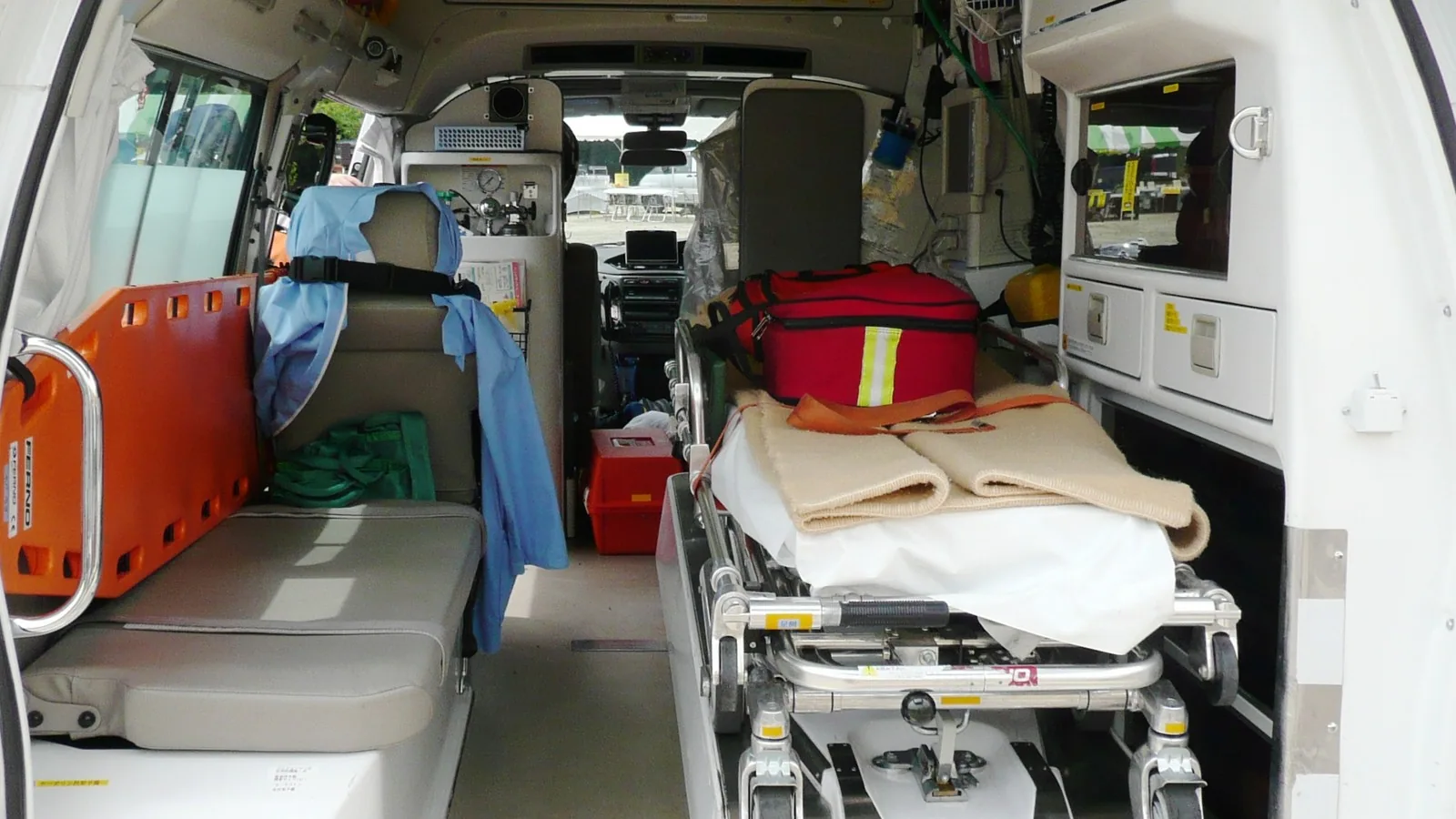
Which Ambulance Upholstery Parts Can Be Reupholstered?
Ambulance interiors contain several types of upholstered components. The best candidates for mail-in work are pieces that can be removed, packed securely, and restored to the agreed dimensions and construction.
Squad Bench Cushions and Backrests
Ambulance squad bench cushions may have worn sitting surfaces, split edges, or damaged backrest upholstery. Depending on their construction, individual cushions can be assessed for new covers, replacement of a damaged upholstery panel, or renewal of deteriorated padding.
Attendant Seat Cushions
For ambulance attendant seat upholstery, the seat manufacturer and model are especially useful. Some designs have separately replaceable cushions; others use molded components or integrated features that require a specific replacement part.
The assessment should identify whether the removable upholstery can be restored while preserving the intended seat configuration.
Armrests and Other Removable Padded Components
Other pieces worth submitting for review include upholstered armrest pads, vertical pads, removable back panels, and padded trim. Door header pads and shaped cushions also require a construction check before a repair method is selected.
Have a worn cushion or a set of interior pads? Send photos for an upholstery quote. Include the quantity, approximate dimensions, and your ZIP code.
Repair, Reupholstery, or Cushion Replacement?
The visible size of a tear does not tell the whole story. A small opening in brittle vinyl may need a different approach from a damaged seam in otherwise sound material.
Localized Upholstery Repair
A limited repair may be worth considering when the surrounding material remains flexible and strong, and the repair method is compatible with the component's cleaning and service requirements.
For example, an opened seam may be repairable if the material at the stitching line is still intact. If the vinyl has torn along the stitch holes, simply sewing it again may leave the same weak edge in place.
Reupholstering the Existing Cushion
Replacing the vinyl is usually the more practical option when the cover is cracked, peeling, brittle, or damaged in several areas. New color or filler cannot restore the strength of material that is breaking down.
If the cushion base and usable padding can be retained, re-covering concentrates the work on the failed material. The replacement cover should follow the agreed shape, edge details, and attachment arrangement.
The same distinction between surface damage and material failure is explained in our guide to repairing or reupholstering leather and vinyl car seats.
Replacing Padding or the Complete Component
A new cover will not correct collapsed foam or a damaged base. Those conditions need to be included in the assessment. Any replacement padding should follow the component's required shape, thickness, and performance specifications.
Where the original construction cannot be reproduced appropriately, or the manufacturer requires replacement, a new component may be the better choice. The assessment should distinguish upholstery work from cases that require a manufacturer-specified replacement component.
Choosing Vinyl for an EMS Interior
Color matching is only one part of material selection. Ambulance upholstery also needs to suit the component's construction and the fleet's cleaning routine.
When requesting an estimate, provide any required material specification and the names of the cleaners and disinfectants your team uses. Compatibility should be checked against the upholstery supplier's guidance for the specific material. A general label such as "commercial-grade" or "marine-grade" does not establish compatibility with every cleaning product.
The review should also cover grain, sheen, flexibility, and any vehicle-specific material requirements. Our overview of vinyl, PU, and other synthetic upholstery materials explains why similar-looking coverings can have different properties.
Some ambulance cushions use seamless, formed vinyl. A sewn cover is not automatically an equivalent replacement. If the part requires a molded or manufacturer-specific construction, that requirement needs to be resolved before work begins.
How Mail-In Ambulance Upholstery Repair Works
For an approved project, shipping removable cushions makes it possible to arrange upholstery work without transporting the complete vehicle to the workshop. The process starts while the parts are still available for inspection and photographs.
1. Send Photos and Part Details
Include an overall view of the seating area, close-ups of the damage, and the back or underside of each piece. Add the length, width, thickness, quantity, vehicle or seat identification, and your location.
For a fleet order, label the photos by vehicle and component. Identify any pieces that are the same size and any that only look similar.
2. Agree on the Scope, Material, and Schedule
Lerega reviews the information to establish whether the parts are suitable for mail-in work. The proposed scope can then address the covering, padding, material selection, and any construction requirements.
Confirm the work schedule and shipping arrangements before removing components from a vehicle. If you are working toward a maintenance deadline, include it with the initial request.
3. Prepare the Approved Components
Have removal and reinstallation handled according to the vehicle or seat manufacturer's instructions. Seat structures, restraints, and mounting systems require the appropriate service provider.
Before packing, components should be cleaned, decontaminated under your organization's procedures, and completely dry. Confirm the shipping list with Lerega so the package contains the agreed pieces and any required pattern sample.
4. Pack and Label Each Piece
Protect the upholstery surfaces, edges, and rigid backing. Use packaging that prevents movement without bending the base or crushing the foam. Label each item with its vehicle number and position, and include your contact details and approved project reference.
For an unusually long squad bench cushion, confirm the packed dimensions and transport cost before selecting a carrier.
5. Inspect, Reupholster, and Return
After arrival, the physical condition of the components is checked against the proposed work. If removing the old cover reveals additional damage, any change in scope should be agreed before proceeding.
Completed components are prepared for return shipment and reinstallation. Allow for both workshop time and shipping time when planning the vehicle's maintenance window.
Upholstery Planning for EMS Fleets and Refurbishment Shops
An EMS fleet upholstery project is easier to organize when the parts are grouped by vehicle, condition, and required completion date.
A private ambulance operator may need one attendant seat cushion recovered. A fire department may be reviewing several squad bench sets. A refurbishment shop may need an upholstery quote for the removable interior pieces within a larger ambulance remount project.
For multiple vehicles, ask about scheduling the work in batches. Where suitable approved spare components are available, discuss their use with your fleet maintenance team before removing parts from service.
Keep a record of the selected material, color, and component dimensions for future orders. This gives subsequent repair requests a clear reference and helps distinguish repeat pieces from components that require a new pattern.
Lerega's broader commercial upholstery services also cover seating and custom upholstery projects for business facilities.
What Affects the Cost of Ambulance Upholstery Repair?
An accurate estimate depends on more than the length of the visible tear. The main factors include:
- The number and dimensions of the components.
- The shape of each cover and the complexity of its edges and seams.
- Whether existing foam and backing can be reused.
- The required material and its availability.
- Whether a physical sample is needed for patterning.
- Packing, outbound shipping, and return shipping.
When comparing ambulance seat cushion replacement with reupholstery, consider the complete installed cost and schedule. Include removal, reinstallation, transport, and any required replacement hardware.
Shipping a compact set of cushions is a different proposition from shipping an oversized bench. Photos and dimensions make it possible to assess that difference before committing to the work. Our article on commercial furniture repair versus replacement discusses the wider budgeting considerations.
Ambulance Upholstery Repair FAQ
Can I Ship Ambulance Cushions from Another State?
Lerega can review mail-in requests from across the United States. Send photos, dimensions, quantity, and your ZIP code first. Acceptance, materials, pricing, and shipping arrangements are confirmed for the specific components.
Can You Reupholster Just One Ambulance Cushion?
A single removable cushion can be submitted for assessment. Whether it can be re-covered depends on its construction and condition. If it sits next to original upholstery, include photos of those adjacent pieces so color and texture can be considered together.
Can I Send Just the Old Cover?
Sometimes the original cover can serve as a pattern, but a cover alone may not show the condition or shape of the foam and base. Send photos before taking the component apart so Lerega can confirm what is needed for the proposed work.
Can the New Vinyl Match the Existing Interior?
Material selection can aim for a close match in color, grain, and sheen. An exact match depends on material availability and the condition of the existing upholstery. For a coordinated set, discuss recovering the related pieces in the same selected material.
How Long Does Mail-In Reupholstery Take?
Timing depends on the number of parts, material availability, construction, and the agreed work schedule. Transit time is additional. Request a project-specific schedule before removing the cushions from the vehicle.
Request an Ambulance Upholstery Quote
If your ambulance has cracked vinyl, torn bench cushions, damaged backrests, or worn attendant seat upholstery, start with a photo assessment.
Send Lerega photos and part details to receive an assessment of the repair options, materials, and shipping arrangements for your project.
Mail-in project details and photos can also be sent to craft@lerega.com.
Austin, Texas workshop. Mail-in projects reviewed individually for customers across the United States.