
Custom Medical Equipment Covers And Soft Cases: Repair, Replacement, And Mail-In Service
A medical device can remain in good working condition long after its original cover or carrying case begins to wear out. A zipper stops closing, a seam opens, the lining tears, or an accessory compartment no longer holds the equipment it was designed for.
Finding a replacement is not always straightforward. The original bag may be discontinued, a standard cover may fit poorly, or the equipment kit may have changed since the case was purchased.
Custom medical equipment covers and soft cases can be made around the dimensions, accessories, and handling requirements of a particular device. An existing item may also be repairable without replacing the entire cover or bag.
Lerega reviews custom sewing, repair, and replacement projects for reusable medical equipment covers, padded carrying cases, and removable organizers. Customers across the United States can start with photos and measurements, then mail an existing cover or empty case after the project is approved.
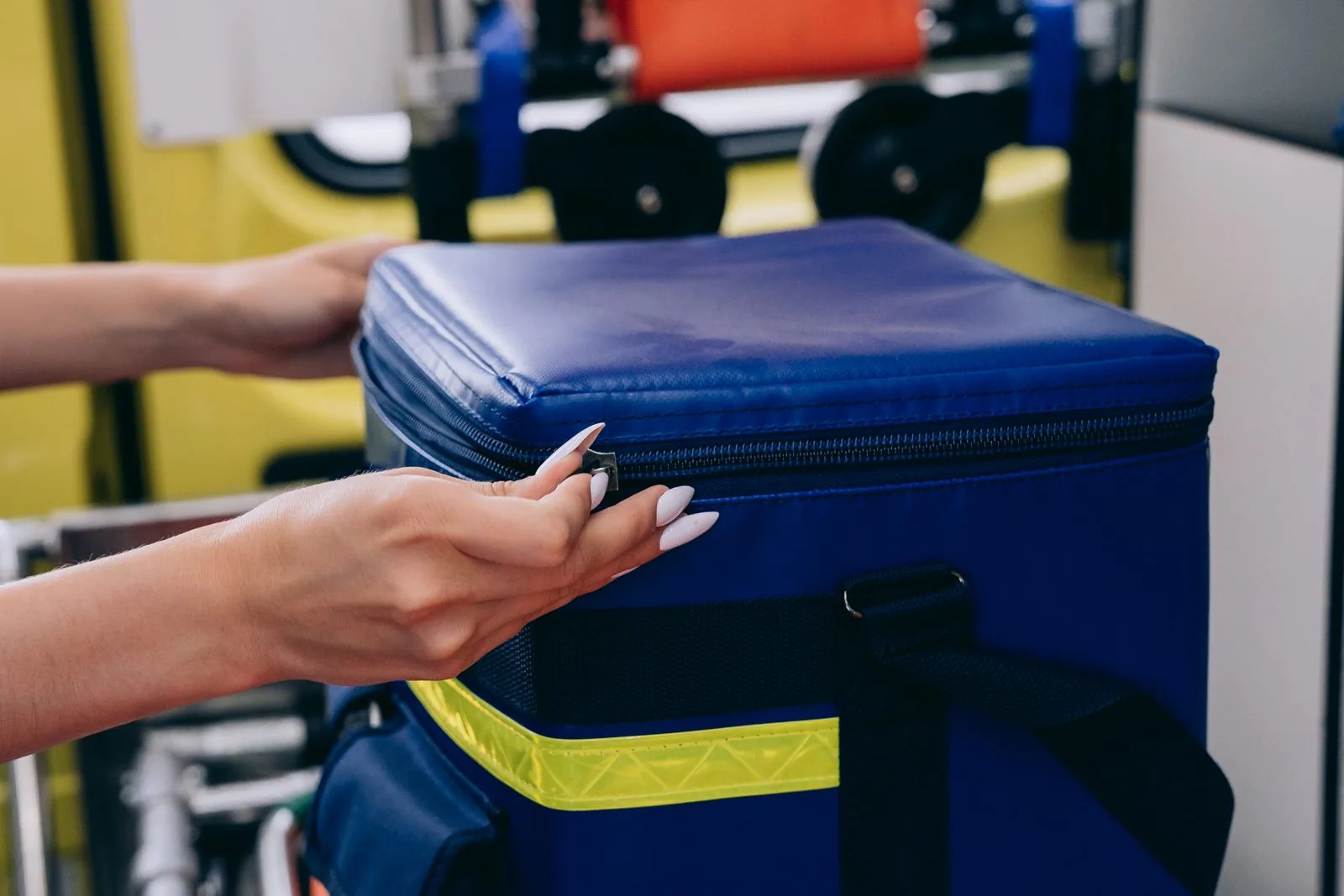
What Types of Medical Equipment Covers and Cases Can Be Made?
The starting point is understanding what the item needs to do: cover equipment during storage, carry a portable kit, or organize accessories inside an existing case.
Covers for Diagnostic Equipment and Medical Carts
A fitted cover can be designed around a diagnostic unit, a rolling workstation, or a medical equipment cart. The shape needs to account for more than the width and height of the main cabinet.
Handles, shelves, monitor mounts, cable hooks, and other projections can affect how the cover fits and how easily it can be removed.
Projects suitable for review include:
replacement covers for diagnostic equipment;
custom medical cart covers;
storage covers for portable ultrasound equipment and its cart;
covers for laboratory instruments and demonstration equipment;
removable covers for equipment used by mobile service teams.
For example, a cover that fits the cart itself may become too tight after a side basket is added. A revised pattern can account for that change instead of stretching the original fabric around it.
Padded Medical Equipment Carrying Cases
A carrying case needs to accommodate the complete kit, including the device, cables, power supply, and other accessories that travel with it.
The interior arrangement matters as much as the outside dimensions. An oversized compartment can leave items loose, while a tight pocket may press against a connector or make equipment difficult to remove.
A custom medical equipment bag can be designed around a portable diagnostic kit, demonstration set, or service kit when a soft case is appropriate. The design can include a padded interior, separate accessory compartments, and an opening arranged around how the kit is packed and unpacked.
Tell us how the equipment travels. A case carried by hand between appointments has different requirements from packaging used to send an instrument through a parcel carrier.
For parcel shipments, follow the equipment manufacturer's packaging requirements. Adding padding does not, by itself, make a soft carrying case a suitable shipping container.
Dividers, Linings, and Replacement Inserts
Sometimes the outer case is still usable, but the inside no longer suits the equipment.
A damaged divider may allow accessories to fall into the main compartment. A worn lining may expose padding. A newly added power supply may need its own pocket.
Depending on the construction, a project may involve replacement padded dividers, fabric-covered inserts, removable sleeves, accessory pouches, or a new lining. Updating these parts can preserve a useful case while adapting its interior to the current kit.
Which Details Make a Custom Cover More Useful?
A custom cover should fit the way your team actually handles the equipment.
Before a pattern is prepared, consider which features are needed:
Access to existing handles: openings positioned so the equipment can be handled as intended.
Accessory pockets: separate storage for cables, adapters, and other components.
Removable dividers: an interior layout that can be adjusted when the kit changes.
Clear label windows: a place for an equipment ID, department name, or contents list.
Reinforced corners and edges: additional material at areas that repeatedly rub against other surfaces.
Suitable closures: zippers, hook-and-loop fasteners, snaps, or buckles selected for the design.
Replaceable interior parts: liners or padded sections that can be removed when they need attention.
Show how the item opens, where it is stored, and which parts are handled most often. A short explanation of what is inconvenient about the current cover can be more useful than a photograph of the damage alone.
Should You Repair the Case or Replace It?
The right approach depends on the condition of the surrounding material, the construction, and what the finished item needs to support.
Repair a Localized Problem
Medical equipment bag repair may be practical when the main fabric and structure remain sound.
Examples include an open seam, a damaged zipper, a torn accessory pocket, or a small section of loose binding. The repair should address the reason that part failed, including any stress or wear around it.
A zipper replacement, for example, requires checking the fabric beside the zipper. Installing new hardware into material that is already tearing may leave the underlying problem unresolved.
Replace a Damaged Section
When wear is concentrated in one area, replacing that section may preserve the rest of the item.
This could mean a new bottom panel, a replacement lining, a rebuilt pocket, or a new padded divider. The proposed material and construction need to work with the parts being retained.
Our guide to fabric upholstery repair options explains the same basic distinction between repairing a seam and replacing fabric that has weakened around it.
Make a New Cover or Case
A new item may be more appropriate when several panels have deteriorated, the original material is brittle, or the existing layout no longer fits the equipment.
Replacing one part after another can become difficult to justify if most of the original construction needs work. In that situation, the old cover can still be useful as a reference for a replacement.
If the problem involves a handle or shoulder strap, include the weight of the complete loaded kit. Carrying components and their attachment points need to be reviewed together.
Can a Replacement Cover Be Made From the Original?
An existing cover can provide useful information about its shape, seams, closures, and pocket positions. Even a worn item may help establish how the replacement should be constructed.
This is particularly helpful when a manufacturer no longer supplies a replacement cover or when a standard product does not match your setup.
However, an old cover should not automatically be copied at its current dimensions. Fabric may have stretched, earlier repairs may have changed the fit, or the equipment configuration may have been modified.
Include photographs showing the cover on the equipment before removing it. Mark any areas that are too tight, too loose, difficult to reach, or repeatedly damaged.
Lerega can then review whether the project should preserve the original layout or use an adjusted pattern. For a new design or multiple matching items, discuss a sample fitting before the full order is made.
Have a worn cover you need replaced? Send photos and request a custom quote.
How Are Materials Selected?
Material selection starts with where the cover will be used, how often it will be handled, and how it needs to be cleaned.
Possible options include woven nylon or polyester, coated fabrics, suitable vinyl materials, and padded linings. The choice should follow the application rather than appearance alone.
Our guide to vinyl, PU, and other synthetic materials explains why similar-looking coated fabrics can differ in construction, durability, and cleaning compatibility.
For a carrying case, the review also includes the loaded weight, the padding arrangement, and the construction of handles and attachment points. For a cart cover, flexibility, removal, and the position of openings may be more relevant.
Provide your facility's cleaning requirements and the names of any cleaning or disinfecting products used. Compatibility needs to be checked for the selected material and the finished assembly, including windows, thread, fasteners, and lining.
These projects concern reusable covers and cases for storage and transport. They are not offered as sterile barriers. Any special performance or documentation requirements should be identified before materials and construction are agreed upon.
Access openings also need to follow the equipment manufacturer's instructions. An opening for a cable or handle does not, by itself, establish that a device can operate while covered.
How Does Mail-In Equipment Cover and Case Repair Work?
The first step is a project review. You do not need to send the medical device to request an estimate.
1. Send Photos and Project Details
Send photos of the complete cover or empty case, the damage, and its fit on the equipment. Include the equipment model and the changes you need; the checklist below explains what helps us prepare a quote.
2. Confirm the Proposed Work
Lerega reviews whether repair, partial replacement, or a new custom item is the appropriate direction. Materials, sample requirements, pricing, and the expected schedule are discussed for the individual project.
Some details may require inspection of the original item before the final scope can be confirmed.
3. Mail the Approved Sample or Empty Case
After receiving shipping instructions, send the agreed cover, empty case, or removable insert.
Items must be clean, dry, and empty. Include your contact information and the approved project details. Pack the sample so its shape and any remaining hardware are protected during transit.
4. Complete the Agreed Sewing Work
The work follows the approved scope, whether that involves a zipper replacement, seam repair, new panels, a replacement interior, or a newly sewn cover.
If inspection reveals a condition that changes the proposed work, the revised scope needs to be agreed upon before proceeding.
5. Check Fit With Your Equipment
When the item is returned, check the fit, closures, pocket layout, and access points with the actual equipment. For an initial sample, this fitting is the point to confirm any adjustments before ordering additional pieces.
What Information Is Needed for a Quote?
A useful request gives us enough information to understand both the sewing work and the intended use.
Please include:
photos of the full cover or case, inside and outside;
close-ups of damaged seams, panels, zippers, or attachments;
the equipment manufacturer and model;
dimensions, including handles and other projecting parts;
the weight of the loaded kit if the case will carry equipment;
the accessories and compartments that need to be accommodated;
whether an original cover, drawing, or sample is available;
the number of items required;
cleaning requirements and your preferred completion date.
Also describe what should change. For example: “Keep the original shape, replace the zipper, and add a separate padded pocket for the power supply.”
That is a more useful starting point than dimensions alone because it explains the result your team needs.
What Affects the Cost of a Custom Medical Equipment Cover?
The quote depends on the amount of pattern work, material selection, construction, and the condition of any parts being reused.
A simple fitted storage cover requires different work from a padded carrying case with several compartments, shaped inserts, reinforced attachments, and multiple openings.
Repair pricing also depends on access. Replacing a zipper may involve opening and rebuilding parts of the lining or binding around it.
For mail-in projects, discuss shipping and any sample fitting as part of the overall plan. An inexpensive standard bag may be easier to replace, while an unusual fitted case or a discontinued cover is a stronger candidate for custom work.
Can You Order One Item or Start Without a Sample?
You can submit a single cover, one damaged case, or a request for several matching items for review. Include the quantity so feasibility, sample work, and scheduling can be assessed for the actual project.
If there is no original cover, send photographs, measurements, and a sketch showing the required openings and compartments. Depending on the shape and fit requirements, an initial sample may be needed.
Custom Medical Covers and Mail-In Case Repair With Lerega
Lerega's commercial upholstery and custom sewing services provide a starting point for projects that require fitted fabric construction, repair, padding, and replacement components.
Clinic managers, biomedical equipment teams, mobile diagnostic providers, equipment distributors, and sales representatives can submit a cover or case project for review.
If your equipment still works but its cover, carrying bag, or interior organizer needs attention, send photos before replacing the entire item. We can review the condition, the fit, and the changes needed to determine a practical approach.
Need a custom medical equipment cover, replacement soft case, or mail-in repair? Send Lerega photos, dimensions, and your project requirements to get started.