
Hotel Lobby Furniture Restoration Before Check-In
The Lobby Trust Test: How Hotel Lobby Furniture Restoration Shapes Guest Expectations
Guests begin evaluating a hotel long before they receive a key card. Lobby chairs, front-desk sofas, elevator benches, bar stools, and lounge seating all communicate how carefully the property is maintained.
Cracked leather, split vinyl, faded armrests, damaged seams, and collapsed cushions may lead guests to assume that the same level of wear extends into the rooms. Hotel lobby furniture restoration allows property managers to correct these visible issues without turning every damaged seat into a full replacement or renovation project.
For hotels, restoration is not only a cosmetic service. It is a practical way to protect first impressions, maintain brand standards, control capital spending, and reduce disruption in areas that remain visible and accessible throughout the day.
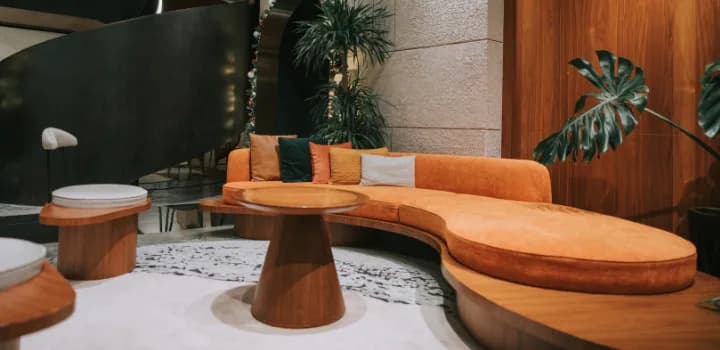
First Impressions Form Before the Room Is Seen
A hotel lobby is more than a waiting area. It is one of the first places where guests decide whether the property feels clean, organized, and consistent with the rate and brand promise.
Furniture plays a significant role in that judgment because guests see it up close, sit on it, place luggage beside it, and often photograph it. Even when the surrounding design remains attractive, visibly damaged seating can make the entire space appear less carefully maintained.
For hotel management teams, the challenge is operational. Replacing lobby sets, lounge chairs, banquettes, bar seating, and corridor benches may require:
Capital approval
Vendor coordination
Long manufacturing and delivery lead times
Temporary storage
Installation scheduling
Removal and disposal of existing furniture
Closure or reconfiguration of guest-facing areas
During that process, the original damage remains visible.
Hotel furniture reupholstery gives hotels an alternative. Torn seams, worn armrests, faded panels, damaged cushions, and localized surface wear can often be addressed without removing every piece from service or waiting for a complete furniture package to arrive.
Restoration Protects Brand Standards Without Requiring a Full Renovation
Not every furniture problem justifies replacement.
Many hotel pieces still have strong frames, appropriate dimensions, and designs selected specifically for the property. The damage may be limited to high-contact areas affected by repeated guest use, luggage, cleaning chemicals, sunlight, spills, or natural material wear.
Professional restoration may include:
Leather cleaning and color restoration
Vinyl repair or panel replacement
Seam and stitching repair
Cushion reshaping
Foam replacement
Re-covering of selected panels
Restoration of worn armrests and edges
Repair of scratches, fading, and surface damage
This allows hotels to preserve furniture that still performs properly while correcting the areas that affect guest perception.
Restoration can also be phased by priority. A property may begin with lobby seating and check-in areas, followed by lounges, premium suites, guest-room headboards, corridors, and other high-visibility spaces.
This approach helps management teams improve presentation without committing to a complete renovation at one time.
Hotel Lobby Furniture Restoration Supports Operational Continuity
Public hotel areas cannot always be closed for extended periods. Guests continue checking in, waiting for transportation, attending meetings, visiting bars, and using lounge spaces throughout the day.
A professional restoration plan can be organized around property operations. Depending on the type of damage, work may be completed:
On-site
In sections
By floor or room block
During lower-occupancy periods
Overnight or outside peak guest hours
Through scheduled pickup and return of selected pieces
This is particularly valuable when a hotel needs to prepare for an inspection, ownership review, event, seasonal demand period, or brand evaluation.
Rather than replacing an entire furniture group because several pieces show wear, the property can identify which items require surface restoration, panel replacement, structural repair, or full reupholstery.
Leather Headboard Repair Helps Preserve Room Quality
Guest-room headboards are highly visible and frequently included in listing photographs, marketing materials, and guest reviews.
Over time, leather and vinyl headboards may develop:
Scratches from luggage or furniture movement
Body-oil contamination
Fading
Cracking
Peeling
Damaged seams
Worn edges
Marks caused by cleaning products
When the frame and construction remain sound, leather headboard repair may be more practical than replacing the entire unit.
Depending on the material and condition, the surface may be cleaned, restored, recolored, repaired, or re-covered. Individual damaged panels can also be replaced while preserving the rest of the headboard.
This helps maintain room presentation without changing furniture that still fits the design, wall dimensions, and installation requirements.
Luxury Suite Furniture Maintenance Protects the Premium Experience
Guests paying for premium rooms and suites expect a higher standard of condition.
A worn lounge chair, scratched ottoman, faded leather bench, or damaged desk chair can weaken that experience even when the room is otherwise well maintained. Because luxury accommodations are often photographed and examined more closely, relatively small defects may become more noticeable.
Luxury suite furniture maintenance allows hotels to address these issues before they affect guest satisfaction or room presentation.
The service may include:
Leather and vinyl restoration
Cushion rebuilding
Localized upholstery repair
Color matching
Panel replacement
Seam reinforcement
Repair of decorative or high-contact elements
The objective is to preserve visual consistency across the suite without replacing every furniture piece because of isolated wear.
Boutique Hotels Benefit From Preserving Signature Furniture
Boutique hotels often use distinctive seating, vintage pieces, custom upholstery, or unusual materials to create a recognizable identity.
These pieces may be difficult to replace without changing the character of the property. A similar chair may not have the same proportions, color, construction, or relationship to the surrounding interior.
Boutique hotel leather care helps preserve these signature elements while correcting damage caused by regular commercial use.
Restoration may also be appropriate for furniture that is no longer manufactured, was produced specifically for the property, or would require expensive custom replacement.
In these cases, the value of restoration extends beyond repair cost. It helps protect the design concept that differentiates the hotel from a standardized property.
Common Hotel Furniture Damage and Recommended Repair Strategies
| Guest-Facing Area | Common Damage | Recommended Repair Strategy |
|---|---|---|
| Lobby seating | Cracked leather, faded arms, torn vinyl, seam wear | On-site surface repair, panel re-covering, color restoration |
| Guest rooms and suites | Scratched headboards, worn desk chairs, stained ottomans | Headboard repair, upholstery repair, finish restoration |
| Bars and lounges | Scuffed stools, split seats, worn banquettes | Stool re-covering, seam repair, durable replacement panels |
| Corridors and waiting areas | Edge wear, cushion damage, seating fatigue | Common area seating repair scheduled by floor or section |
| Meeting and event spaces | Scratches, torn seams, compressed foam | Upholstery repair, cushion rebuilding, phased maintenance |
| Premium suites | Faded leather, worn armrests, damaged decorative panels | Localized restoration, color matching, panel replacement |
A structured assessment helps hotel teams separate cosmetic damage from structural failure.
Some pieces may require only cleaning and finish restoration. Others may benefit from cushion rebuilding, replacement of one damaged panel, or partial reupholstery. Furniture with failed frames or extensively deteriorated materials may be better suited for full replacement.
Restoration Can Reduce Unnecessary Capital Spending
Furniture replacement is not limited to the purchase price.
Hotels may also need to account for:
Freight
Installation
Removal of existing pieces
Disposal fees
Storage
Room or area closures
Design approvals
Custom fabrication
Delivery delays
When the frame and most of the upholstery remain serviceable, repairing the damaged portion may provide a more efficient use of the maintenance or capital budget.
Restoration also allows the property to distribute spending across multiple phases rather than replacing an entire group of furniture at once.
This is particularly useful for hotels managing multiple floors, room types, common areas, or properties within the same portfolio.
When Hotel Furniture Should Be Repaired or Replaced
Restoration is not appropriate for every piece.
Replacement may be the better option when:
The frame has extensive structural failure
The furniture no longer meets current operational requirements
Materials are deteriorating throughout the entire piece
Repeated previous repairs have compromised the surface
The cost of repair approaches the cost of a suitable replacement
The design no longer aligns with the property’s brand standards
The furniture cannot be removed or repaired without creating safety concerns
The purpose of a professional assessment is to identify the most practical solution for each item.
The recommendation may include surface restoration, panel replacement, partial reupholstery, full reupholstery, structural repair, or replacement. Treating every damaged piece the same can lead either to unnecessary spending or to temporary repairs that do not address the underlying problem.
Hotel Furniture Restoration Should Be Part of Preventive Maintenance
Waiting until furniture is heavily cracked, torn, or structurally compromised often increases the cost of repair.
Small areas of wear are generally easier to address before the damage spreads. Early maintenance can help prevent:
Small seam openings from becoming major tears
Surface wear from exposing the material underneath
Body oils from penetrating deeply into leather
Loose upholstery from damaging foam or internal components
Minor cushion fatigue from becoming complete shape loss
Hotel lobby furniture restoration can therefore be incorporated into routine property inspections rather than treated only as an emergency response before an event or evaluation.
Regular assessments allow management teams to create a repair schedule, prioritize guest-facing areas, and budget for maintenance before replacement becomes unavoidable.
Protect the Guest Experience Before Check-In
Guests may not know why a chair is faded, why a seam has opened, or why a headboard is beginning to peel. They simply notice whether the property appears cared for.
Well-maintained furniture supports the lobby design, listing photographs, room presentation, guest confidence, and the rate the property is asking guests to pay.
Full renovation remains necessary in some situations. However, many hotels can preserve appearance, control downtime, and extend the useful life of existing furniture through professional restoration, repair, and strategic re-covering.
Before replacing guest-facing furniture, schedule an assessment to determine which pieces can be restored, which components should be replaced, and which items have genuinely reached the end of their service life.