
Aircraft Seat Reupholstery: Why Certified Materials Matter
Aircraft Seat Reupholstery: Why Certified Materials Matter More Than Looks
Aircraft seating must do more than look clean and refined.
Unlike residential or automotive upholstery, aircraft interiors must balance appearance, comfort, durability, weight, cleanability, material compatibility, and compliance with the aircraft’s approved configuration.
Professional aircraft seat reupholstery therefore begins long before the old leather or fabric is removed. The technician must understand how the seat is constructed, which materials are currently installed, what changes are proposed, and what documentation may be required before the aircraft can return to service.
For aircraft owners, pilots, charter operators, and maintenance managers, seat upholstery is not merely an interior-design decision. It can affect aircraft usability, maintenance records, resale confidence, cabin downtime, and the ability to support the work during inspection or pre-buy review.
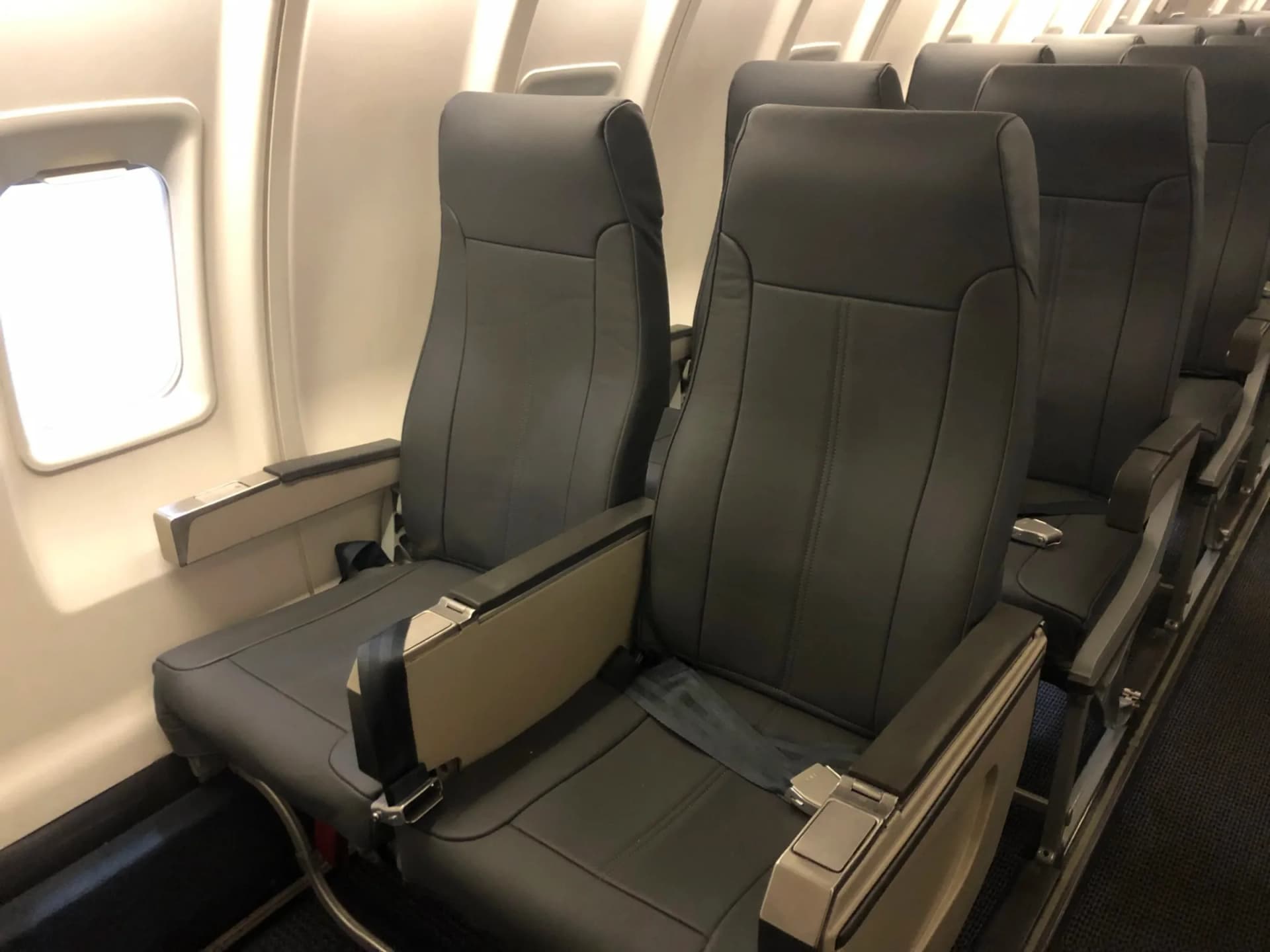
Aircraft Upholstery Is Not Standard Upholstery
A material that performs well in a car, office, or residence is not automatically suitable for an aircraft cabin.
Residential and automotive upholstery products may not have the appropriate flammability characteristics, weight controls, material traceability, or supporting documentation required for a particular aviation application.
Aircraft seating may involve:
Aviation-grade leather
Approved or documented vinyl systems
Flame-resistant textile materials
Aviation seat foam
Fire-blocking layers
Compatible thread
Approved adhesive systems
Backing and reinforcement materials
Component-specific installation records
The phrase “FAA-approved aircraft upholstery” is commonly used in searches and marketing materials. However, it can oversimplify the actual requirement.
The more accurate question is whether the complete material system is suitable for the aircraft, seat, certification basis, and intended operation—and whether the necessary records are available to support that determination.
A supplier’s description alone should not replace documentation.
Why Material Documentation Matters
A finished seat may appear professional while still creating questions during maintenance review.
Aircraft records may need to establish:
The identity of the installed materials
Manufacturer and product information
Batch, lot, or certificate details where applicable
Relevant flammability or burn-test reports
The composition of the tested material system
Compatibility with the seat and aircraft
Approval or return-to-service basis
Who performed and signed off the work
This is especially important because a burn-test report for one material does not necessarily support every possible installation.
Leather, foam, adhesive, thread, backing, and fire-blocking layers may perform differently when assembled as a complete system. Changing one component can affect whether the supporting documentation remains relevant.
Traceability should therefore be considered before the upholstery work begins—not after the seats have already been rebuilt.
Flammability Requirements Depend on the Aircraft and Installation
There is no single upholstery rule that applies identically to every aircraft.
Applicable requirements may vary based on factors such as:
Aircraft category
Certification basis
Date of certification
Passenger capacity
Operating rules
Seat location
Whether the seat is occupied by passengers or flight crew
The type of component being installed
The approved aircraft configuration
For transport-category airplanes, 14 CFR § 25.853 addresses compartment interior materials and refers to applicable test criteria in Appendix F to Part 25. Seat cushions are addressed separately within the regulation, and passenger-seat cushions generally must meet the applicable requirements of Part II of Appendix F.
Operating requirements can also apply. For example, Parts 121 and 135 include provisions concerning seat-cushion fire protection for aircraft operating under those rules.
This is why aircraft upholstery compliance should be evaluated within the maintenance context of the specific aircraft rather than assumed from the material’s appearance or a general supplier statement.
Fire Blocking, Foam, and Cover Materials Work as a System
Aircraft seat construction may include several functional layers:
The visible leather, vinyl, or fabric cover
Foam that provides shape and occupant support
Fire-blocking material where required
Adhesives, thread, backing, and reinforcement
The underlying seat structure and hardware
These materials are not interchangeable.
Upholstery Cover
The cover determines much of the seat’s appearance, cleanability, abrasion resistance, and tactile quality. It must also be appropriate for the installation and compatible with the supporting layers.
Seat Foam
Foam affects comfort, occupant position, seat shape, and overall weight. Using excessively soft, dense, or thick foam may alter the geometry of the seat and interfere with surrounding components.
Fire-Blocking Material
Fire-blocking layers are designed to support the required fire-performance characteristics of the seat-cushion system. They must be installed correctly and should not be treated as a generic substitute for compliant foam or cover materials.
Adhesives and Thread
Adhesives and thread are easy to overlook, but they are part of the finished assembly. They must be compatible with the surrounding materials and appropriate for the aircraft environment.
A seat should not be evaluated only by the visible cover. The complete assembly determines whether the result is comfortable, durable, supportable, and appropriate for continued service.
Fit and Seat Geometry Matter
Aircraft seats are compact, tightly engineered assemblies.
The cover must fit around:
Seat pans
Back structures
Bolsters
Armrests
Headrests
Seat belts and restraint openings
Recline mechanisms
Tracks and attachment points
Controls
Electrical components
Life-vest or storage compartments
Decorative trim and hardware
Changing seam placement, cushion thickness, or panel tension can affect more than appearance.
An incorrectly fitted cover may restrict movement, interfere with controls, create uneven pressure, distort the cushion, or make access to underlying hardware more difficult.
Professional aviation upholstery services therefore preserve the functional geometry of the seat rather than simply making a visually similar replacement cover.
Why Weight Must Be Considered
Weight is a continuing concern in aircraft interior work.
A small increase on one seat may appear insignificant, but additional weight across multiple seats, side panels, carpets, and cabin components can accumulate.
Material selection should therefore consider:
Leather or vinyl thickness
Foam density
Fire-blocking layers
Backing materials
Decorative additions
Hardware
Adhesive quantity
Number of passenger seats
The heaviest or thickest material is not automatically the most durable or appropriate.
The objective is to achieve the required appearance, comfort, and service life without adding unnecessary mass or changing the seat beyond the intended configuration.
When Aircraft Leather Seat Repair Is Appropriate
Not every worn seat requires complete reupholstery.
Localized aircraft leather seat repair may be appropriate when the leather remains structurally sound but shows:
Surface wear
Scuffs
Minor scratches
Localized color loss
Faded areas
Small damaged panels
Worn piping
Open stitching
Minor bolster wear
Armrest damage
Depending on the leather and the approved maintenance approach, the service may include cleaning, color correction, stitching repair, panel replacement, cushion reshaping, or localized refinishing.
The condition beneath the visible surface is critical.
A cosmetic treatment should not be applied when the leather has become brittle, weakened, contaminated, or structurally unstable. In those cases, the damage may return quickly, and component replacement may provide a more durable result.
When Full Aircraft Seat Reupholstery Is the Better Option
Complete reupholstery may be more appropriate when:
Leather or vinyl is brittle across multiple panels
Seams are failing throughout the seat
Previous repairs are extensive or poorly documented
Foam has collapsed or lost its shape
Odors have penetrated the cushion system
Existing materials cannot be identified
Cover materials no longer match the cabin standard
The aircraft is undergoing interior modernization
The cabin is being prepared for charter, sale, or pre-buy inspection
Localized repairs would produce an inconsistent appearance
Full aircraft seat reupholstery allows the cover, foam, fire-blocking components, and related materials to be assessed as a complete assembly.
The goal should not be to replace every component automatically. Serviceable original parts may remain in place when appropriate. However, a controlled rebuild provides an opportunity to correct accumulated wear, previous alterations, and inconsistent materials.
Cockpit Seats Require a Functional Approach
Cockpit seat upholstery must prioritize function and access.
Common problems include:
Worn side bolsters
Damaged entry edges
Compressed foam
Open seams
Leather abrasion
Armrest wear
Damage around controls or adjustment mechanisms
The upholstery must not interfere with:
Seat adjustment
Restraint systems
Controls
Armrest operation
Access to hardware
Occupant movement
Emergency egress
Cockpit bolster repair or panel replacement may be sufficient when damage is localized. More extensive deterioration may require a complete cover and foam assessment.
The result should preserve the seat’s geometry and function, not simply improve its appearance.
Private Jet Seating Restoration and Cabin Modernization
Private and business aircraft interiors often require a higher level of visual consistency.
Owners may want to:
Restore the original cabin color
Change leather color
Update stitching
Introduce contrast piping
Replace worn inserts
Adjust foam firmness
Coordinate seats with side panels and carpet
Prepare the cabin for sale or charter use
Custom aircraft upholstery can accomplish these goals, but design changes should remain subordinate to material suitability, documentation, seat function, and the aircraft’s maintenance requirements.
A refined cabin is valuable only when the work can also be properly supported.
Burn Testing Should Reflect the Actual Material System
Burn testing for aircraft upholstery should be planned before materials are installed.
Important questions include:
Which regulation or approval basis applies?
What exact material combination was tested?
Was the test performed on leather, foam, adhesive, backing, and fire blocking as required?
Does the report identify the material by manufacturer and specification?
Does the installed construction match the tested configuration?
Are substitutions permitted?
Who will evaluate and accept the documentation?
How will the work be recorded?
A generic certificate stating that a leather is “aviation grade” may not answer these questions.
The supporting documentation should correspond as closely as required to the materials and assembly actually installed in the aircraft.
What Owners and Maintenance Teams Should Check
Before selecting an aviation upholstery provider, confirm the following.
Relevant Aircraft Experience
The provider should have experience with aircraft seats—not only automotive, marine, or residential upholstery.
Material Traceability
The shop should be able to identify the proposed leather, vinyl, fabric, foam, fire blocking, adhesives, and other significant materials.
Burn-Test Documentation
Ask which reports are available, what material system they cover, and whether additional testing may be required.
Coordination With Maintenance Personnel
The upholstery provider should be prepared to coordinate with the aircraft owner, operator, mechanic, inspection authorization holder, repair station, or other responsible maintenance party.
Seat Function
The work should preserve access to mechanisms, restraints, controls, hardware, tracks, and required compartments.
Foam and Cushion Capability
Aviation foam replacement should preserve intended geometry and should not be approached as ordinary furniture cushion work.
Repair and Reupholstery Options
The provider should be able to explain whether the seat needs localized repair, panel replacement, a new cover, foam replacement, or a complete rebuild.
Documentation Process
The owner should understand what records, material certifications, photographs, test reports, and return-to-service documentation will be provided or required.
Questions to Ask Before Approving Aircraft Seat Work
What regulation or approval basis applies to this aircraft and seat?
Are the proposed materials traceable?
What burn-test or flammability documentation is available?
Does the documentation cover the complete installed material system?
Will any foam, fire blocking, backing, or adhesive be replaced?
Will seat geometry, controls, and hardware access remain unchanged?
Who will determine whether the work is acceptable for return to service?
How will the modification or repair be documented?
Is localized repair appropriate, or is full reupholstery more durable?
What cabin downtime should be expected?
Clear answers should be available before the existing upholstery is removed.
Appearance Matters, but Documentation Matters More
A high-quality cabin interior should look refined, fit accurately, feel comfortable, and withstand regular use.
However, appearance alone does not establish that the materials are suitable or that the work can be supported during inspection, charter review, maintenance evaluation, or resale.
Professional aircraft seat reupholstery combines:
Aviation-specific materials
Traceable records
Applicable burn-test documentation
Proper seat geometry
Controlled foam replacement
Accurate patterns
Functional hardware access
Careful workmanship
Coordination with responsible maintenance personnel
The best result is not simply a seat that looks new.
It is a seat that looks appropriate, performs properly, uses supportable materials, and fits within the aircraft’s maintenance and approval context.
Request an Aircraft Seat Upholstery Assessment
Send photographs of the aircraft, seat model, existing upholstery, damaged areas, cushions, armrests, headrests, and any available material or maintenance records.
We can evaluate whether the project is better suited for localized leather repair, panel replacement, cushion work, or complete aircraft seat reupholstery.
Material requirements, documentation, estimated downtime, and the proposed scope should be reviewed before work begins.