
Do Cracked Leather Seats Hurt Your Car’S Trade-In Value?
https://lerega.com/blog/repair-or-reupholster-leather-car-seatsWhen preparing a vehicle for sale or a dealership trade-in, owners often focus their time and budget almost entirely on the exterior. They invest in paint correction, dent removal, ceramic coatings, and extensive detailing. However, the very first action an appraiser takes after walking around the car is to open the door and sit inside the cabin. The condition of the interior-specifically the driver's seat and steering wheel-serves as an immediate psychological anchor for the entire mechanical and financial valuation process.
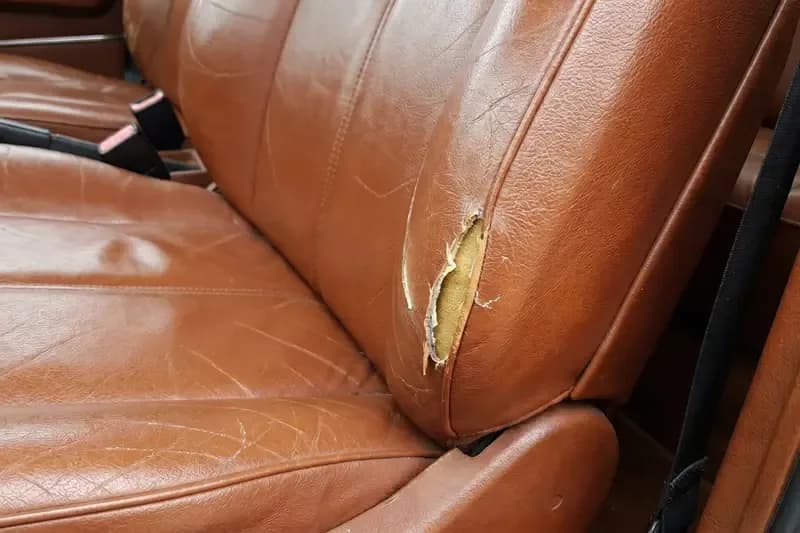
The Appraisal Psychology of a Worn Interior
Dealership appraisers and private buyers operate on a strict matrix of risk assessment. A cigarette burn, cracked, torn, heavily discolored, or sagging leather seat sends a distinct subconscious signal: neglect. Even if the engine has been meticulously serviced with documented oil changes, a degraded interior suggests to the buyer that the car had a rough, uncared-for life. This cognitive bias directly and severely impacts the final trade-in offer.
Dealers know exactly what it costs to replace a factory leather seat cover. If they spot structural tears or severe UV discoloration (a destructive process similarly faced by marine owners battling sun damage on boat seats), the appraiser will instantly deduct the dealership's retail cost of replacement from your offer, plus an additional penalty for the labor and hassle of sourcing the parts.
Understanding Automotive Leather Degradation
Automotive leather is subjected to a brutal environment. The interior of a car acts as a greenhouse, baking the upholstery in UV radiation and extreme heat. Furthermore, the constant friction of entering and exiting the vehicle grinds dirt and microscopic debris into the leather's protective clear coat.
Here is what buyers and appraisers actively look for during their interior inspections:
- The Left Entry Bolster: The outer edge of the driver’s seat takes the brunt of sliding friction. Color loss, deep creasing, and eventually cracking here are the most common reasons for a value deduction.
- Perforated Sections: Dirt, sweat, and spills lodged in ventilated seats can harden, causing the leather to lose its elasticity and split between the perforated holes.
- Steering Wheel and Shifter Wear: The acidic nature of human hand oils gradually degrades the top clear-coat of the leather steering wheel, leaving a sticky, faded, and unpleasant surface that a new buyer will immediately notice.
The Financial Calculus: ROI of Seat Repair
Automotive valuation guides, such as Kelley Blue Book (KBB) or NADA, differentiate strongly between "Good" and "Excellent" or "Fair" condition tiers. The financial jump between these tiers can range from $1,500 to over $3,500, depending heavily on the vehicle's make, model, and year.
| Interior Condition | Appraisal Impact | Typical Deduction (Luxury SUV) |
|---|---|---|
| Minor Scuffs / Fading | Viewed as normal wear, slight deduction | -$300 to -$500 |
| Deep Cracks / Greasy Steering Wheel | Drops vehicle to "Fair" condition | -$1,000 to -$1,500 |
| Torn Bolsters / Exposed Foam | Requires panel replacement or new seat cover | -$2,000+ |
Strategic Repairs Before Selling
The good news is that you do not need to replace the entire interior to maximize your vehicle's value. Targeted restoration can effectively erase years of heavy wear. Specialized upholstery technicians can re-dye faded bolsters using automotive-grade pigments, fill surface cracks with flexible heat-cured compounds, and apply a factory-matched matte topcoat to eliminate the shiny, greasy look of old, polished dirt.
A few hundred dollars strategically spent on interior restoration can easily prevent a thousand-dollar deduction at the appraisal desk. Before visiting the dealership, scheduling a leather car seat repair can significantly boost your vehicle's appraisal value, ensuring you get the absolute maximum return on your automotive investment.