
Sun Damage And Cracked Vinyl: Recognizing When Your Boat Needs A Seat Upgrade
The marine environment is arguably the most hostile setting for upholstered furniture. Boat interiors face a relentless combination of ultraviolet (UV) radiation, saltwater corrosion, drastic temperature shifts, and constant moisture. While marine-grade vinyl is engineered to withstand these elements far better than automotive or residential materials, it still has a finite lifespan. Recognizing the early indicators of material failure is critical for boat owners, as delaying repairs often leads to severe structural degradation within the seating core.
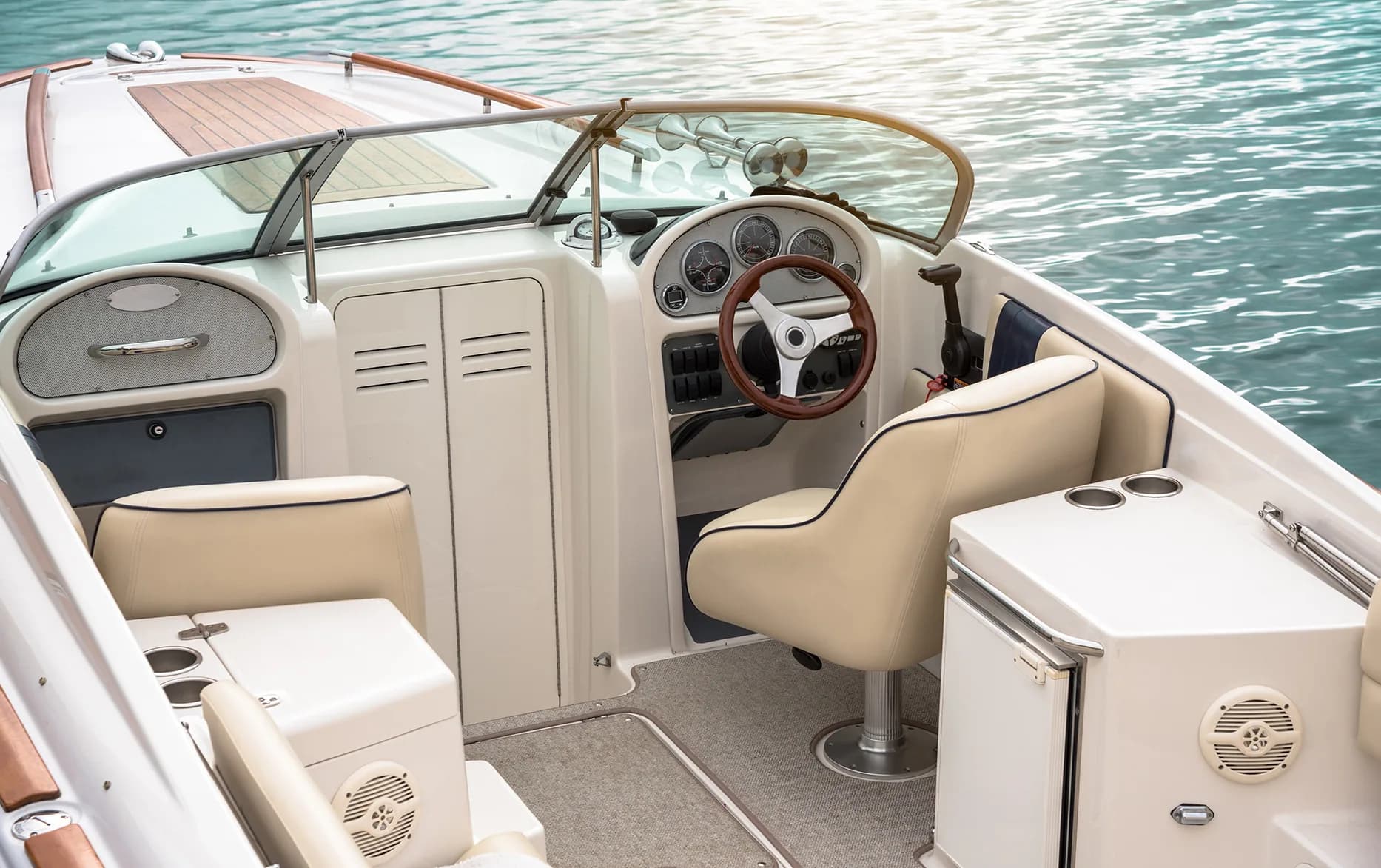
The Anatomy of Marine Vinyl Failure
Marine vinyl differs from standard faux leather by incorporating specific UV inhibitors and antimicrobial agents directly into the plasticizer-the chemical component that keeps the vinyl flexible. Over years of sun exposure, UV rays slowly break down these plasticizers. The first visible symptom is usually a loss of elasticity; the seats feel hard, brittle, and stiff to the touch.
Once the plasticizer evaporates, the material can no longer stretch under the weight of a passenger. Micro-fissures begin to form along high-stress areas, such as seams, bolsters, and corners. This is the exact moment when cosmetic wear transitions into a structural liability.
The Hidden Threat: Water Intrusion and "Pink Stain"
The primary function of marine vinyl is to act as a waterproof barrier protecting the foam core beneath. When vinyl cracks, water inevitably seeps inside. Unlike residential furniture, marine seats utilize open-cell reticulated foam designed to let water drain through, combined with biocide treatments. However, if water becomes trapped beneath cracked vinyl, it creates an incubator for bacterial growth.
A common byproduct of this moisture trap is a phenomenon known in the marine industry as "pink stain." This is caused by a byproduct of the bacteria Streptoverticillium reticulum. The bacteria feed on the plasticizers in the vinyl from the inside out, excreting a pink dye that permanently stains the material. No amount of surface bleaching will remove pink stain because the bacteria live deep within the foam core.
| Stage of Degradation | Visible Symptoms | Underlying Damage | Required Action |
|---|---|---|---|
| Early Stage | Fading, chalky surface, slight stiffness | Loss of UV inhibitors, plasticizer evaporation | Conditioning, preventative UV coating |
| Moderate Stage | Surface micro-cracking, splitting at seams | Minor water intrusion, early stages of mold | Targeted panel replacement, seam restitching |
| Severe Stage | Large tears, pink stains, sagging cushions | Rotting plywood bases, bacterial foam infestation | Complete reupholstery and foam replacement |
Why DIY Patches Fail on Boats
Many owners attempt to fix cracked boat seats with adhesive vinyl patches or liquid sealants. In a marine environment, these DIY solutions fail rapidly. The extreme heat of the sun melts the adhesive backing of tapes, while the constant expansion and contraction of the underlying vinyl break the bond of liquid sealants. Furthermore, patches do nothing to address the moisture already trapped inside the cushion.
Much like addressing peeling furniture in RVs, temporary fixes only mask a systemic issue. If water is already seeping into the foam, prompt boat upholstery repair is essential to prevent structural damage. A professional technician will strip the damaged vinyl, treat or replace the compromised foam, rebuild any rotting marine plywood bases, and sew new, UV-stabilized vinyl using specialized PTFE (Polytetrafluoroethylene) waterproof thread that will not rot in saltwater conditions.