
Why Is Your RV Furniture Peeling? (And The Best Way To Fix It)
One of the most documented frustrations among recreational vehicle owners is the rapid degradation of interior seating. Whether you own a Class A motorhome or a travel trailer, it is highly probable that within three to five years of manufacturing, the captain’s chairs, recliners, and dinette booths will begin to flake, peel, and shed layers of synthetic material. This phenomenon is not caused by user neglect; it is the result of a specific chemical breakdown inherent to the materials predominantly used in the RV industry during the 2010s.
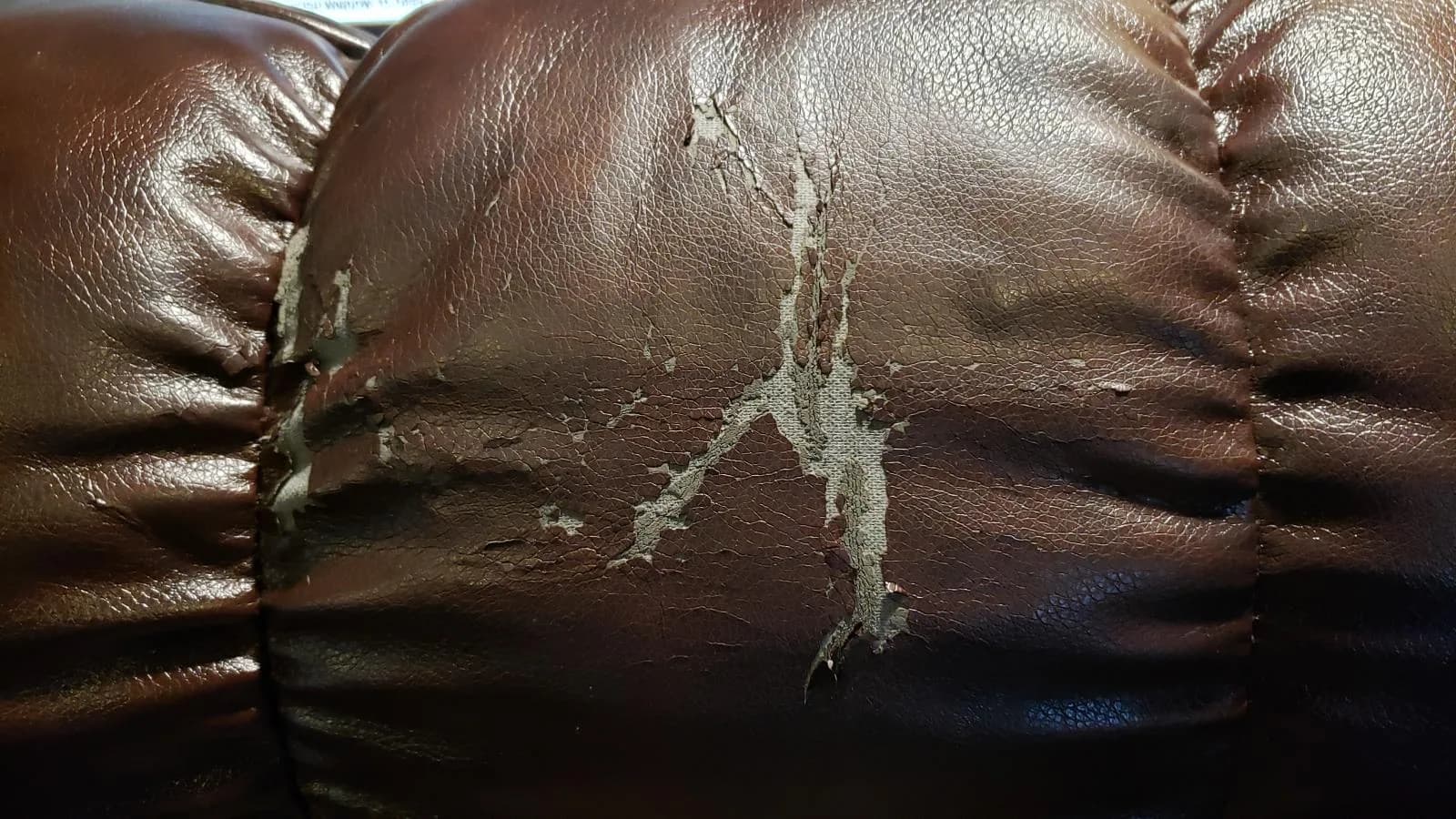
The Chemistry of Peeling: Hydrolysis and Polyurethane
To keep vehicle weights low and production costs manageable, RV manufacturers historically utilized a specific grade of Polyurethane (PU) faux leather or bonded leather. Bonded leather consists of microscopic leather scraps mixed with polyurethane binders, sprayed onto a fabric backing.
The primary enemy of standard polyurethane is a chemical reaction called hydrolysis. Hydrolysis occurs when moisture and heat break the chemical bonds within the polyurethane coating. Because RVs are frequently stored in non-climate-controlled environments-subject to high humidity and extreme temperature fluctuations-the PU layer becomes brittle. Once the microscopic bonds break, normal friction from sitting causes the top layer to delaminate from its fabric backing, creating the infamous "snowstorm" of flaking fabric inside the cabin.
Evaluating Replacement Strategies
When RV furniture starts peeling badly, many owners immediately replace it with new furniture from the RV manufacturer or an aftermarket supplier. Unfortunately, those replacement pieces are often upholstered with the same low-grade material, meaning the problem frequently returns just a few years later. A single onsite reupholstery appointment with higher-quality materials can permanently eliminate this recurring issue.
Furthermore, swapping out integrated furniture is structurally complex. Dinettes are often bolted over wheel wells or slide-out mechanisms, making complete removal extremely labor-intensive. Upgrading the material through professional reupholstery eliminates the cycle of continuous replacement.
| Material Type | Resistance to Hydrolysis | Average Lifespan in RV | Cost / Value Ratio |
|---|---|---|---|
| Standard PU / Bonded Leather | Very Low | 2 - 4 Years | Poor (Requires frequent replacement) |
| Polycarbonate-Based PU | High | 7 - 10 Years | Excellent (Best synthetic option) |
| Silicone-Based Fabrics | Extremely High | 10+ Years | High (Medical/Marine grade) |
| Top-Grain Automotive Leather | N/A (Natural Material) | 15+ Years | Premium (Highest durability) |
The Structural Advantage of Reupholstering
The steel frames and high-density foam cores of RV seating are usually in excellent condition even when the surface cover has disintegrated. By stripping away the defective polyurethane layer, technicians can access the sound structural skeleton. Applying a 100% silicone fabric or a polycarbonate-based PU (which does not undergo hydrolysis) permanently solves the problem.
This approach mirrors the strict material selection processes seen in commercial environments, where worn-out furniture directly impacts business revenue and requires medical-grade synthetics. Instead of buying the same low-quality factory seats, a custom rv interior restoration ensures durability for years on the road. The initial investment in higher-grade materials pays dividends by eliminating the need for future replacements and maintaining the resale value of the motorhome.
Preventative Maintenance for Upgraded Interiors
Once the interior has been upgraded, maintenance becomes straightforward. Avoid using harsh chemical cleaners, bleach, or alcohol-based wipes, as these strip the protective topcoat of any material. A simple solution of mild soap and distilled water is sufficient for polycarbonate PU, while natural leather requires routine conditioning to prevent drying and cracking from UV exposure.